20% Off All-On-4

Temporary Crown Care in Houston, TX
July 13, 2026
/
Getting a dental crown is a common procedure, but the temporary crown phase often catches patients off guard. Knowing what to eat, protect, and expect with your temporary crown in Houston can make a big difference in your comfort. At Dentiq Dentistry Houston, Dr. Shreed Sista guides every patient through this waiting period with clear, practical advice. This article covers everything you need to know before your permanent crown is ready.
What Is a Temporary Crown and Why Do You Need One?
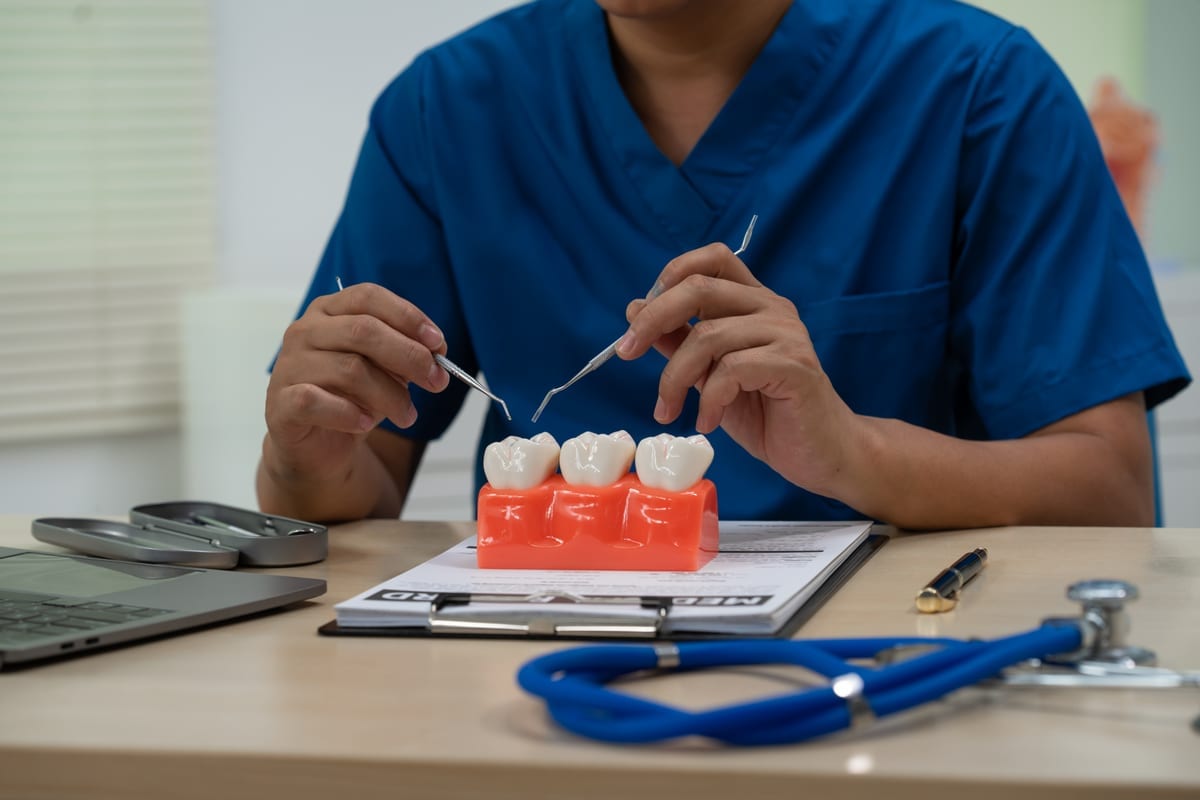
A temporary crown is a short-term restoration placed over a prepared tooth. It protects the underlying tooth while your permanent crown is being custom-made in a dental lab. Without it, your tooth would be vulnerable to sensitivity, shifting, and damage. Think of it as a placeholder that keeps everything stable.
Temporary crowns are usually made from acrylic or composite resin. They are not as durable as permanent crowns, which is why special care is essential. Most patients wear a temporary crown for one to three weeks. Your timeline depends on how quickly the dental lab completes your final restoration.
During this phase, the tooth may feel slightly different than usual. Some sensitivity to temperature is completely normal. If pain feels sharp or persistent, contact our team right away. Early communication prevents small issues from becoming bigger problems.
What to Eat — and What to Avoid — With Your Temporary Crown in Houston
Diet is one of the most important parts of temporary crown care. The cement used to hold a temporary crown is intentionally weaker than permanent cement. This allows your dentist to remove it easily when your final crown is ready. But it also means certain foods can dislodge it.
Here are foods to avoid while wearing a temporary crown:
- Sticky foods like caramel, taffy, or gummy candies
- Hard foods like nuts, hard candies, or crusty bread
- Chewy meats that require heavy biting pressure
- Crunchy raw vegetables like carrots or celery
- Chewing gum of any kind
Stick to softer options instead. Eggs, yogurt, pasta, soft fish, and cooked vegetables are all great choices. Try to chew on the opposite side of your mouth when possible. This small habit reduces pressure on the temporary crown significantly.
Avoid extremely hot or cold foods and drinks as well. Temporary crowns offer less insulation than permanent ones. Sensitivity is common, and extreme temperatures can make it worse. Lukewarm beverages and room-temperature foods are your safest bet during this period.
How to Clean and Protect Your Temporary Crown
Proper cleaning is essential, even though your crown is temporary. Bacteria and plaque can still build up around the gumline. Neglecting oral hygiene now can lead to gum irritation or even decay on the prepared tooth. Keep up with your regular brushing routine, but be gentle around the crown area.
Follow these tips to keep your temporary crown safe and clean:
- Brush twice daily with a soft-bristled toothbrush
- Use gentle, circular motions around the crown
- Floss daily, but slide the floss out sideways — never snap it upward
- Avoid floss picks or water flossers directly on the temporary crown
- Rinse with an alcohol-free mouthwash to reduce bacteria
Snapping floss upward can pull the temporary crown right off. Instead, thread the floss between the teeth and gently pull it out from the side. This technique protects the crown while still cleaning the gumline effectively. It only takes a small adjustment to make flossing safe during this phase.
Avoid biting your nails, chewing on pens, or using your teeth as tools. These habits add unnecessary stress to the temporary crown. Even minor repeated pressure can loosen the cement over time. Protecting your crown means being mindful of habits beyond just eating.
What to Do If Your Temporary Crown Falls Off
It happens more often than you might think — temporary crowns can and do fall off. The weak cement that makes removal easy also makes dislodgement possible. If your crown comes off, stay calm. There are simple steps you can take right away.
First, rinse the crown gently and keep it safe. Do not throw it away. Contact Dentiq Dentistry Houston as soon as possible to schedule a quick re-cementing appointment. Most dentists can reattach a temporary crown quickly and easily.
While you wait for your appointment, try these steps to protect the tooth:
- Clean the inside of the crown gently with a soft toothbrush
- Apply a small amount of dental cement — available at most pharmacies — inside the crown
- Carefully press the crown back onto the tooth
- Bite down gently to seat it in place
- Avoid eating on that side until you see your dentist
Dental cement from the pharmacy is a temporary fix only. It is not a substitute for professional re-cementing. Leaving the prepared tooth exposed can cause significant sensitivity and shifting. Always follow up with your dentist promptly, even if the tooth feels okay.
How Long Will You Wait — and What Comes Next?
Most patients wear a temporary crown for one to three weeks. The exact timeline depends on the dental lab’s schedule and the complexity of your case. Some same-day crown systems can eliminate the temporary phase entirely using in-office milling technology. Ask Dr. Shreed Sista whether that option is available for your situation.
When your permanent crown is ready, the process of placing it is usually straightforward. Your dentist removes the temporary crown and cleans the tooth carefully. The permanent crown is then checked for fit, color match, and bite alignment. Once everything looks perfect, it is cemented into place permanently.
Many patients use this waiting period to explore other dental goals as well. If you have been considering improving your smile overall, this is a great time to discuss options. Cosmetic Dentistry services like veneers or teeth whitening can complement your new crown beautifully. You might also want to ask about Invisalign if alignment is something you have been thinking about.
After your permanent crown is placed, you can return to normal eating and care habits. Permanent crowns are far more durable and do not require the same dietary restrictions. With proper care, a permanent crown can last 10 to 15 years or longer. Your investment in the process is absolutely worth it.
Final Thoughts From Dentiq Dentistry Houston
The temporary crown phase is short, but it requires real attention and care. Eating the right foods, cleaning gently, and knowing what to do if something goes wrong are all part of a smooth experience. Dr. Shreed Sista and the team at Dentiq Dentistry Houston are here to support you every step of the way. You do not have to navigate this process alone.
If you have questions about your temporary crown or are ready to start your crown journey, we are ready to help. Book Now to schedule your appointment with our team.
Frequently Asked Questions
How long does a temporary crown typically last?
A temporary crown is designed to last one to three weeks. It is made from acrylic or composite resin and held in place with weaker cement than a permanent crown. As long as you follow care instructions, it should stay in place until your permanent crown is ready.
Can I eat normally with a temporary crown?
You should modify your diet while wearing a temporary crown. Avoid sticky, hard, and chewy foods that could dislodge it. Soft foods like yogurt, eggs, pasta, and cooked vegetables are the safest choices. Try to chew on the opposite side of your mouth whenever possible.
What should I do if my temporary crown feels loose?
Contact your dentist right away if your temporary crown feels loose. Do not wait for it to fall off completely. Your dentist can re-cement it quickly in most cases. Leaving a loose crown in place risks dislodging it at an inconvenient time or swallowing it accidentally.
Is sensitivity normal with a temporary crown?
Yes, some sensitivity to hot and cold is completely normal with a temporary crown. The tooth underneath has been prepared and may react to temperature changes. If sensitivity is sharp, constant, or worsening, contact your dentist. That level of discomfort may signal an issue that needs attention.
Will the permanent crown look and feel different from the temporary one?
Yes, your permanent crown will look, feel, and function much better than the temporary one. It is custom-made to match your tooth’s color, shape, and bite. Permanent crowns are far more durable and do not require dietary restrictions. Most patients notice an immediate improvement in comfort and appearance.
Share this Post