20% Off All-On-4


Dental Crown Care & Night Guards in Houston, TX
June 15, 2026
/
Your dental crown does a lot of heavy lifting every single day. But most patients focus only on the crown itself — and completely overlook the margin. The margin is where the crown meets your natural tooth at the gumline. That tiny boundary is where most crown problems actually start. Understanding margin care and night guard protection in Houston can make the difference between a crown that lasts a decade and one that fails too soon.
At Dentiq Dentistry Houston, Dr. Shreed Sista sees this pattern regularly. Patients invest in beautiful, functional crowns — then unknowingly skip the maintenance steps that protect them. This guide walks you through exactly what your crown needs to stay healthy for years to come.
Why Crown Margins Matter More Than You Think
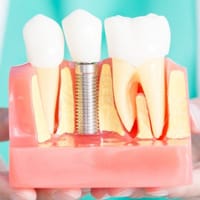
The margin is the edge where your crown ends and your real tooth begins. Bacteria love this spot. Plaque builds up along the margin just like it does everywhere else — but it’s harder to clean here.
When plaque sits at the margin, it produces acid. That acid attacks the underlying tooth structure. Over time, this can cause decay underneath the crown. You may not feel it until the damage is already significant.
This is why margin care is the real secret to long-lasting crowns. A crown can look perfect on the outside while decay quietly progresses beneath it. Regular cleaning and professional checkups catch these issues early.
- Margins are the most vulnerable part of any crown
- Plaque at the margin leads to recurrent decay
- Gum recession can expose the margin and increase risk
- Early detection prevents costly crown replacement
- Proper brushing technique protects the margin daily
How to Clean Around Your Crown’s Margin at Home
Cleaning around a crown requires a little more intention than regular brushing. Standard brushing alone often misses the margin. You need to angle your brush toward the gumline to physically dislodge plaque where the crown meets the tooth.
Use a soft-bristled toothbrush and brush in small circular motions. Apply gentle pressure along the gumline — not forceful scrubbing. Aggressive brushing can irritate the gum and cause recession, which exposes the margin even further.
Flossing is equally important. Slide floss gently under the gumline on both sides of the crown. Curve the floss in a C-shape around the crown and move it up and down carefully. Never snap floss — this can dislodge a crown or irritate the gum tissue.
- Brush twice daily with a soft-bristled toothbrush
- Angle bristles at 45 degrees toward the gumline
- Floss daily using a gentle C-shape technique
- Use an electric toothbrush for more consistent plaque removal
- Consider a water flosser as a helpful addition — not a replacement
- Use fluoride toothpaste to strengthen the exposed tooth near the margin
Foods to Avoid When You Have a Dental Crown
Your crown is strong — but it is not indestructible. Certain foods put extra stress on crowns and their margins. Knowing what to avoid helps you protect your investment every day.
Sticky foods are among the worst offenders. Caramel, taffy, and chewing gum can physically pull a crown loose. They also drag bacteria right into the margin area and hold it there. Avoid these foods as much as possible.
Hard foods pose a different kind of threat. Biting down on ice, hard candy, popcorn kernels, or crusty bread with your crowned tooth can chip the crown material. Porcelain crowns are especially vulnerable to cracking under sudden force.
Here are foods to limit or avoid with a dental crown:
- Sticky candies and chewy foods like caramel or taffy
- Ice — never chew it
- Hard nuts, seeds, and popcorn kernels
- Crusty bread or bagels bitten with heavy pressure
- Sugary sodas and sports drinks that bathe the margin in acid
You do not have to live on soft foods forever. Just use common sense. Chew hard or sticky items on the opposite side of your mouth when possible.
Night Guards and Crown Protection in Houston: Why Grinders Need One
If you grind your teeth at night, your crown is at serious risk. Bruxism — the clinical term for nighttime grinding — generates enormous force. That force hits your crowns repeatedly throughout the night, every night.
Over time, grinding wears down the crown material. It can also crack porcelain, loosen the cement bond, or fracture the underlying tooth. Many patients do not even know they grind until their dentist spots the wear patterns.
A custom night guard from Dentiq Dentistry Houston is one of the smartest ways to protect your crown. It fits precisely over your teeth and absorbs the grinding forces before they reach the crown surface. Store-bought guards are bulky and less effective — a custom fit makes a real difference in both protection and comfort.
Patients who grind and have multiple restorations — like those with Implant Supported Dentures — especially benefit from night guard protection. Grinding affects implant restorations too. The same logic applies whether you have one crown or a full arch restoration.
If you have an Implant Denture, your dentist should evaluate your grinding habit before and after placement. Protecting all restorations from bruxism keeps them functioning longer.
Professional Checkups: The Step You Cannot Skip
Home care is essential — but it is only part of the equation. Your dentist needs to evaluate your crown regularly. Professional checkups catch problems that patients simply cannot detect at home.
During your exam, Dr. Shreed Sista checks the margin integrity and looks for any signs of recurrent decay. X-rays can reveal decay forming beneath the crown before it causes symptoms. This early detection is critical.
Professional cleanings also remove calculus — hardened plaque — that builds up along the margin over time. No amount of brushing removes calculus once it forms. A hygienist uses special tools to clean these areas safely without damaging the crown or gum tissue.
Aim for at least two checkups and cleanings per year. If you grind your teeth or have gum disease, your dentist may recommend more frequent visits. Staying consistent with your schedule is one of the best things you can do for your crown’s longevity.
Putting It All Together for Long-Lasting Crown Health
Your dental crown is a significant investment in your smile and your health. The secret to making it last is not complicated — but it does require consistent effort. Clean the margin daily with proper brushing and flossing technique. Avoid sticky and hard foods that stress the crown. Wear a night guard if you grind your teeth. And keep every scheduled checkup with your dentist.
Patients in Houston have access to expert crown care at Dentiq Dentistry. Dr. Shreed Sista and the team are here to help you protect every restoration and keep your smile healthy for years to come. Book Now to schedule your appointment with our team.
Frequently Asked Questions
How do I know if my crown margin has a problem?
Signs of margin trouble include sensitivity to temperature, a foul taste near the crown, visible discoloration at the gumline, or gum swelling around the crowned tooth. Sometimes there are no symptoms at all, which is why regular dental exams with X-rays are so important. Your dentist can detect margin decay early before it becomes a larger issue.
Can I use an electric toothbrush on my dental crown?
Yes — an electric toothbrush is actually a great choice for cleaning around crowns. It provides more consistent motion than manual brushing and does a better job of removing plaque along the margin. Use a soft brush head and avoid pressing too hard against the gumline. Let the brush do the work rather than scrubbing aggressively.
How long does a dental crown typically last with good care?
With proper care, most dental crowns last between 10 and 15 years. Some crowns last even longer. The key factors are oral hygiene habits, the foods you eat, whether you grind your teeth, and how consistently you attend professional cleanings and exams. Night guard use and margin care significantly extend crown lifespan.
Do night guards damage dental crowns?
No — a properly fitted custom night guard protects your crown rather than damaging it. The guard absorbs grinding forces before they reach the crown surface. Store-bought guards may not fit well and can sometimes create uneven pressure, which is why a custom guard from your dentist is always the better option for crown protection.
How often should my dental crown be professionally cleaned?
Most patients should have their crowns professionally cleaned twice per year as part of their regular dental checkup schedule. If you have a history of gum disease, heavy plaque buildup, or active bruxism, your dentist may recommend cleanings every three to four months. Consistent professional care removes calculus that home brushing cannot reach.
Share this Post