20% Off All-On-4

Dental Implants Lifespan in Houston, TX
July 6, 2026
/
So many Houston patients ask the same question before choosing implants: do dental implants really last a lifetime? It is one of the most important questions you can ask. The short answer is yes — but with some important conditions. Understanding what affects implant longevity helps you make a smart, informed decision.
At Dentiq Dentistry Houston, Dr. Shreed Sista helps patients understand exactly what to expect from implants. This article breaks down the real lifespan of dental implants, what shortens or extends it, and how you can protect your investment for decades to come.
How Long Do Dental Implants Really Last in Houston?
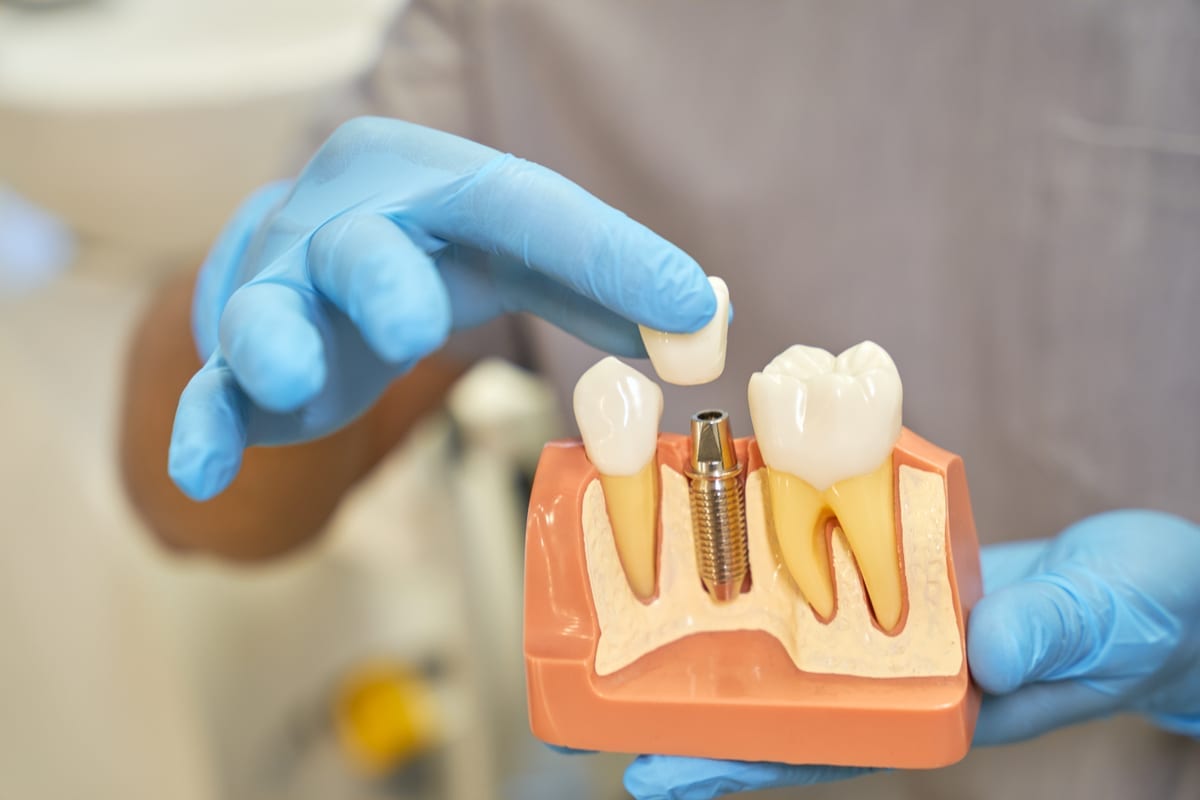
Dental implants are designed to be a permanent tooth replacement solution. The titanium post that fuses with your jawbone can last 20 to 30 years — or even a lifetime with proper care. Studies show implant success rates above 95% after ten years.
The crown attached to the implant has a shorter lifespan. Most crowns last 10 to 15 years before needing replacement. Wear and tear from chewing is the primary reason crowns eventually need attention.
So when people ask whether dental implants really last a lifetime in Houston, the honest answer is this: the implant itself usually does. The crown on top may need occasional replacement. That distinction matters when planning your long-term dental health.
Key Factors That Affect Dental Implant Longevity
Not every patient gets the same lifespan from their implants. Several factors determine whether your implant lasts 15 years or 40. Knowing these factors helps you take control of your outcome.
Factors that can shorten implant lifespan:
- Smoking or tobacco use — reduces blood flow and slows healing
- Uncontrolled diabetes — affects bone health and immune response
- Gum disease — the leading cause of implant failure
- Poor oral hygiene — allows bacteria to damage the surrounding tissue
- Teeth grinding (bruxism) — places excessive force on the implant
- Low bone density — reduces the stability of the implant post
Each of these issues can compromise the fusion between the titanium post and your jawbone. That fusion process, called osseointegration, is what gives implants their strength. Anything that disrupts it shortens implant life.
Factors that extend implant lifespan:
- Non-smoking lifestyle — dramatically improves healing and survival rates
- Consistent brushing and flossing — removes bacteria around the implant
- Regular professional cleanings — catches early signs of peri-implant disease
- Healthy diet — supports bone density and tissue health
- Wearing a night guard if you grind your teeth
- Treating gum disease early and aggressively
Houston patients who manage these factors well consistently enjoy longer-lasting results. Dr. Sista reviews all of these considerations during your implant consultation at Dentiq Dentistry Houston.
How to Make Your Dental Implants Last a Lifetime
The good news is that most implant failures are preventable. Adopting a few habits significantly increases your long-term success rate. Think of implant maintenance as protecting a serious investment in your health and confidence.
First, brush your implant crown twice daily with a soft-bristled toothbrush. Use non-abrasive toothpaste to avoid scratching the crown surface. Floss daily using implant-specific floss or a water flosser to clean below the gumline.
Second, never miss your professional cleaning appointments. Patients with implants should visit Dentiq Dentistry Houston at least twice a year. Your hygienist uses specialized tools to clean around the implant without damaging it. Early detection of gum inflammation can prevent implant loss.
Third, address grinding immediately. A custom night guard protects both your natural teeth and your implant crown. Many Houston patients do not realize they grind at night until Dr. Sista identifies wear patterns during an exam.
Finally, quit smoking if you currently use tobacco. Smokers face a significantly higher rate of implant failure. Even reducing tobacco use improves your healing response and long-term implant stability.
Comparing Implants to Other Tooth Replacement Options in Houston
Understanding longevity is easier when you compare implants to the alternatives. Each tooth replacement option has a different expected lifespan. That comparison helps patients see the true value of implants over time.
Dental bridges typically last 10 to 15 years before needing replacement. They also require grinding down healthy adjacent teeth for support. That permanent alteration can affect those teeth long-term.
Dentures require replacement or relining every 5 to 8 years as your jawbone changes shape. They can also slip during eating or speaking, which many patients find uncomfortable. Dentures do not stimulate the jawbone, which means bone loss continues over time.
Dental implants, by contrast, actually stimulate the jawbone. That stimulation preserves bone density and facial structure. No other tooth replacement option offers that biological benefit. For patients interested in comprehensive smile restoration, exploring Cosmetic Dentistry options alongside implants can deliver complete, lasting results.
Some patients also consider orthodontic alignment before or after implants. If you are curious about straightening options, learning about Invisalign is worth your time. Dr. Sista can discuss whether Invisalign fits into your overall treatment plan at Dentiq Dentistry Houston.
When to See Dr. Sista About Implant Concerns
Even well-maintained implants occasionally develop issues. Knowing the warning signs helps you act quickly and protect your implant. Early intervention almost always produces better outcomes than waiting.
Contact Dentiq Dentistry Houston if you notice any of the following:
- Pain or pressure around the implant site
- Swelling or redness in the gum tissue near your implant
- A loose or wobbly implant post
- Difficulty chewing that was not present before
- Visible changes in the gum tissue around the implant
These symptoms can indicate peri-implantitis, which is a form of gum disease around an implant. Treating it early often saves the implant. Ignoring it frequently leads to implant loss.
Dr. Shreed Sista and the team at Dentiq Dentistry Houston take a proactive approach to implant monitoring. Every checkup includes a close evaluation of your implant site. That consistent oversight is a key part of ensuring your implant lasts as long as possible.
Conclusion
Dental implants can absolutely last a lifetime in Houston when placed properly and cared for consistently. The titanium post is built for permanence. Your daily habits and professional maintenance schedule determine whether it reaches its full potential. With Dr. Shreed Sista guiding your care at Dentiq Dentistry Houston, you have a dedicated partner in protecting your smile for the long term. Book Now to schedule your appointment with our team.
Frequently Asked Questions
Do dental implants really last a lifetime for most patients?
The implant post itself can last 20 to 30 years or longer with proper care. The crown on top typically lasts 10 to 15 years before needing replacement. Patients who maintain good oral hygiene and attend regular checkups enjoy the best long-term outcomes.
What is the most common reason dental implants fail?
Gum disease, also called peri-implantitis when it surrounds an implant, is the leading cause of implant failure. Smoking and uncontrolled systemic conditions like diabetes also significantly increase failure risk. Most failures are preventable with consistent home care and professional monitoring.
How often should I visit the dentist after getting a dental implant in Houston?
Most implant patients should schedule professional cleanings and exams at least twice a year. Dr. Sista may recommend more frequent visits during the first year after placement. Regular monitoring allows the team to catch any early warning signs before they become serious problems.
Can I treat a dental implant exactly like a natural tooth?
In many ways, yes. You should brush and floss around an implant just as you would a natural tooth. However, implants require implant-safe floss or water flossers to clean below the gumline effectively. Avoiding hard foods and wearing a night guard if you grind also help protect the crown.
Is it too late to get a dental implant if I have already lost bone density?
Not necessarily. Many Houston patients who have experienced bone loss are still candidates for implants after a bone grafting procedure. Dr. Shreed Sista evaluates your bone structure using advanced imaging during your consultation. A customized treatment plan can often address bone loss before implant placement.
Share this Post