20% Off All-On-4

Dentures Stop Fitting in Houston, TX
July 27, 2026
/
If your dentures once felt snug but now slip, click, or rub uncomfortably, you are not alone. Many Southside Place residents find themselves asking why dentures stop fitting and what to do about it. The answer usually comes down to one unavoidable biological process — bone resorption. Understanding this process helps you take the right steps before small discomfort turns into a bigger problem.
At Dentiq Dentistry Houston, Dr. Shreed Sista works with patients throughout the Southside Place area to restore comfort and function when dentures begin to lose their fit. This guide walks you through what happens to your jaw over time and what your options are.
Why Dentures Stop Fitting Over Time in Southside Place
When natural teeth are removed, the jawbone no longer receives the stimulation it once did. Without that constant pressure from chewing, the bone gradually shrinks. Dentists call this process bone resorption.
Bone resorption happens continuously after tooth loss. Studies show that patients can lose significant bone volume within the first year alone. That ongoing shrinkage changes the shape of your gums and jaw ridges over months and years.
Because your dentures were made to fit a specific jaw shape, any change in that shape creates a gap. That gap is why you start to feel slipping, soreness, or instability. The dentures have not worn out — your anatomy has simply changed beneath them.
Several factors speed up bone resorption, including:
- How long ago your teeth were extracted
- Your age and overall bone density
- Whether you wear your dentures consistently every day
- Your nutritional health, especially calcium and vitamin D intake
- Genetics and individual healing patterns
Southside Place patients who have worn dentures for five or more years are especially likely to notice fit changes. Early awareness makes a significant difference in your treatment options.
Signs Your Dentures No Longer Fit Properly
Not everyone immediately recognizes a fit problem for what it is. Some patients assume soreness is normal. Others think their gums are just sensitive. Knowing the warning signs helps you act faster.
Watch for these common signals that your dentures need attention:
- Dentures shift or rock when you chew or speak
- Sore spots, red patches, or irritated gum tissue
- Clicking or popping sounds during meals or conversation
- Food consistently getting trapped underneath the denture plate
- Difficulty pronouncing certain words or sounds
- Using excessive denture adhesive just to get through the day
Any one of these signs deserves a professional evaluation. Ignoring the problem leads to more rapid bone loss, skin irritation, and nutritional issues from difficulty chewing properly.
Relining, Rebasing, and Replacement — Your Three Main Options
Once Dr. Sista confirms that your dentures no longer fit well, the treatment path depends on how much has changed and how old your dentures are. There are three primary approaches to consider.
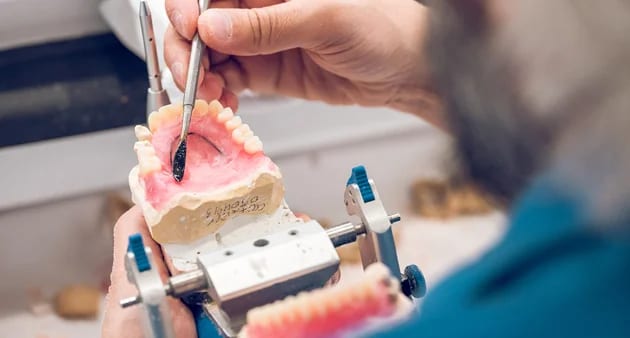
Relining is often the first recommendation for patients with mild fit issues. During a reline, new material is added to the inner surface of the denture. This fills the gap created by bone loss and restores a snug fit. Chairside relines can be done in a single appointment, while lab relines take more time but offer better durability.
Rebasing takes things a step further. The entire denture base is replaced while keeping your existing artificial teeth. This is recommended when the base material has worn down significantly but the teeth themselves are still in good condition.
Replacement becomes necessary when the denture structure is too compromised to reline or rebase effectively. Most full dentures last between five and ten years. If yours are older than that and no longer fit, new dentures are often the most cost-effective long-term solution.
Dr. Sista will evaluate your bone levels, gum health, and denture condition before recommending the best path. There is no single answer that works for every patient.
How Dental Implants Can Solve the Bone Loss Problem
Relining and replacement treat the symptom — the poor fit. But they do not stop bone resorption from continuing. If you want a more permanent solution, implant-supported dentures are worth discussing.
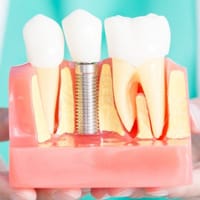
Dental implants are titanium posts placed directly into the jawbone. They mimic the function of natural tooth roots. That stimulation signals the bone to maintain its density rather than shrink further.
Implant-supported dentures snap securely onto implants, eliminating the need for adhesives. Patients often describe eating and speaking with implant dentures as feeling much closer to natural teeth. The implants also preserve the facial structure that conventional dentures cannot protect.
Southside Place patients who are concerned about long-term bone loss may also want to ask about other restorative options. Cosmetic Dentistry treatments available at Dentiq Dentistry Houston can be combined with restorative work to give you both function and a confident smile.
What to Expect at Your Denture Evaluation Appointment
Booking an evaluation is a straightforward process. You do not need to be in severe pain to come in — early visits produce the best outcomes. The sooner a fit issue is caught, the more options remain available.
During your visit at Dentiq Dentistry Houston, Dr. Sista will examine your gums and existing dentures closely. He may take digital X-rays to assess current bone levels. That data helps him understand how much change has occurred since your dentures were made.
From there, you will receive a clear explanation of your options, expected timelines, and what each path involves. Dr. Sista’s approach is educational and conversational — patients leave understanding their situation, not confused by it.
Southside Place residents looking to explore broader smile care may also be curious about Invisalign if they still have natural teeth alongside their partial dentures. Our team can walk you through every option relevant to your individual situation.
Conclusion
Dentures do not fail on their own — your jaw changes naturally over time, and your dentures cannot adapt without professional intervention. Bone resorption is a normal biological process, but its effects on your denture fit are very manageable when caught early. Whether relining, rebasing, or full replacement makes sense for you, the team at Dentiq Dentistry Houston is here to guide you through every step. Book Now to schedule your appointment with our team.
Frequently Asked Questions
How often should I have my dentures checked for fit?
Most dentists recommend a professional evaluation at least once a year. If you notice any slipping, soreness, or clicking before your next scheduled visit, come in sooner. Catching fit issues early gives you more affordable and less invasive treatment options.
Can I just use more denture adhesive instead of getting a reline?
Adhesive can offer temporary help, but it does not address the underlying problem. Relying heavily on adhesive usually signals that your dentures need professional attention. Prolonged use of adhesive to compensate for poor fit can also irritate your gum tissue over time.
How long does a denture reline take?
A chairside soft reline can often be completed in a single appointment. A hard reline sent to a dental laboratory typically takes a few days. Dr. Sista will explain which type suits your situation and what the timeline looks like for your specific case.
At what point should I consider implant-supported dentures?
Implant-supported dentures are worth considering if you have experienced significant bone loss or if you find yourself relining conventional dentures frequently. They are also a strong option for patients who want a more stable, long-term solution. A consultation with Dr. Sista can help you determine if you are a good candidate.
Is it normal for dentures to feel loose after just a year or two?
Some degree of change can happen relatively quickly after tooth extraction, especially in the first one to two years. Bone resorption is most rapid in the early period following tooth loss. If your dentures feel loose sooner than expected, schedule an evaluation — there are effective options available regardless of how recently they were made.
Share this Post