20% Off All-On-4

When is a Tooth Extraction Necessary for Orthodontic Treatment?
March 1, 2023
/
Orthodontic treatment can give you a smile you’re proud of and help improve your oral health. But sometimes, it requires more than just braces. In some cases, an orthodontist may suggest a tooth extraction to make room for the teeth to move into the right position. So when is a tooth extraction necessary for orthodontic treatment? While it might seem like a drastic measure, there are certain instances where it is essential for the success of the treatment. This article will explain when a tooth extraction is necessary and what you can expect during the process.
What Is A Tooth Extraction?
A tooth extraction is the removal of a tooth from its socket in the bone. Tooth extractions are performed for a variety of reasons, but they are most commonly performed to remove teeth that are impacted (stuck) in the jawbone or to prepare the mouth for orthodontic treatment.
Source – ICE Health Systems
When Is A Tooth Extraction Necessary For Orthodontic Treatment?
The short answer is that a tooth extraction may be necessary when the teeth are overcrowded or when there is an insufficient amount of jawbone to support dental implants. In some cases, one or more baby teeth may need to be extracted to make room for the adult teeth.
Tooth extractions are typically performed by an oral surgeon or periodontist. The procedure is usually done under local anesthesia, though sedation may be used in some cases. After the tooth is removed, the area will be stitched closed.
How Is A Tooth Extraction Performed?
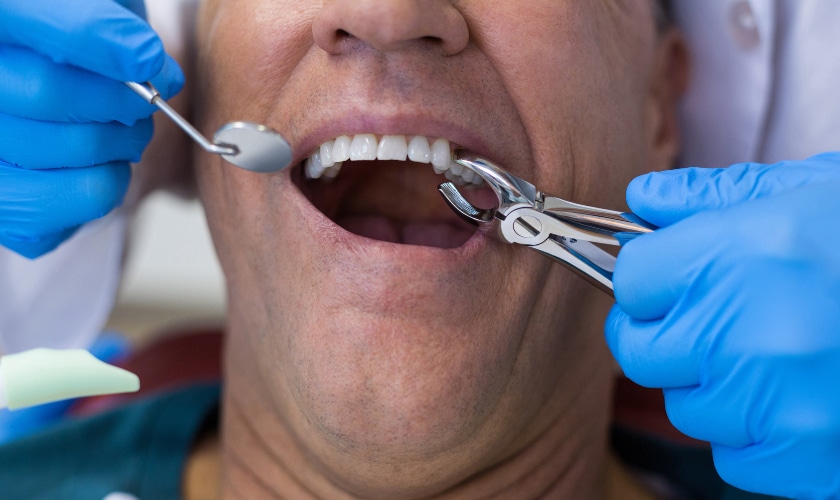
A tooth extraction is a relatively simple procedure that can be performed by your orthodontist or oral surgeon. First, local anesthesia is used to numb the area around the tooth. Next, a small instrument called an elevator is used to loosen the tooth from its socket. Once the tooth is loose, it is removed with forceps. The entire process usually takes less than 30 minutes and you should feel little to no pain during the procedure.
Recovery After A Tooth Extraction
After tooth extraction, it is normal to feel some discomfort and swelling. Recovery times vary from person to person, but here are some general guidelines:
– For the first 24 hours after your extraction, avoid using a straw, spitting, smoking, or drinking alcohol as these can cause bleeding.
– Rest as much as possible for the first day or two.
– Apply ice to your face for 20 minutes at a time, several times a day for the first few days to help with swelling.
– Take over-the-counter pain medication such as ibuprofen or acetaminophen as needed. You can also use a numbing gel like Orajel.
– Rinse your mouth with warm salt water several times a day to help keep the area clean and reduce swelling.
Alternatives To Orthodontic Treatment
There are a few alternatives to orthodontic treatment that can be considered depending on the severity of the misalignment. These include:
– Dental bonding: This involves bonding material to the teeth in order to reshape them. It is not as effective as braces but may be an option for milder cases.
– Dental veneers: Veneers are thin pieces of porcelain that are bonded to the front of the teeth. They can be used to improve the appearance of misaligned teeth.
– Tooth contouring: This is a procedure where the dentist uses a tool to shave off small amounts of tooth enamel in order to change the shape of the tooth. It can be used to correct minor misalignments.
Conclusion
Tooth extraction is sometimes necessary for orthodontic treatment in order to properly align teeth and create a healthier, more aesthetically pleasing smile. While it may seem like a scary option at first, tooth extractions can be performed safely and comfortably by an experienced dentist or orthodontist. If your doctor has suggested that you have one or more teeth extracted as part of your orthodontic treatment plan, we hope this article has helped you understand why the procedure may be necessary and some ways it can benefit your long-term oral health.
Share this Post