20% Off All-On-4

What to Do If a Root Canal Gets Infected?
February 12, 2024
/
Are you experiencing pain or discomfort after a root canal treatment? The last thing you want is for your dental woes to resurface, especially after going through the process of a root canal. Unfortunately, there are instances when a root canal can become infected, causing further complications and potentially undoing all the progress made during the initial treatment. But fear not! In this blog post, we will walk you through what to do if a root canal gets infected and how to find the best dentist in Houston who specializes in root canals. So sit back, relax, and let’s dive right into it!
The Basics of Root Canal Treatment
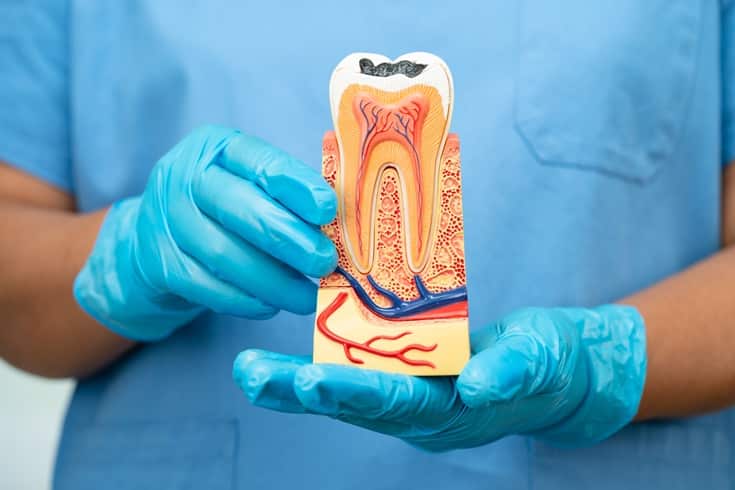
Root canal treatment, also known as endodontic therapy, is a dental procedure that aims to save and restore an infected or severely damaged tooth. It involves the removal of the pulp, which is the soft tissue inside the tooth containing nerves and blood vessels.
During a root canal procedure, your dentist will clean and disinfect the canals within the tooth roots. This helps eliminate any infection present and prevents further spread. After cleaning, the canals are filled with a special material called gutta-percha to seal them off.
Many people dread getting a root canal due to common misconceptions about pain and discomfort associated with it. However, modern techniques and anesthesia make the procedure relatively painless.
After undergoing a root canal treatment, your dentist may recommend placing a crown over the treated tooth for added protection and restoration. This helps ensure its strength and longevity.
It’s important to note that not all teeth that require root canal treatment show obvious signs of infection or damage. Regular dental check-ups are essential in detecting any underlying issues before they worsen.
If you suspect you may need a root canal or have been experiencing persistent toothache or sensitivity, it’s crucial to consult with an experienced dentist in Houston who specializes in endodontics. They will be able to assess your condition accurately and provide appropriate treatment options tailored to your needs.
Signs Of Root Canal Infection
A root canal infection can occur when bacteria enter the pulp of your tooth, causing inflammation and pain. While some infections may not present any symptoms initially, there are several signs to watch out for.
One common sign is persistent pain in the affected tooth. This pain can vary from mild discomfort to severe throbbing, making it difficult to chew or bite down on food.
Another indication of infection is increased sensitivity to hot or cold temperatures. You may experience a sharp, shooting pain when consuming hot coffee or biting into ice cream.
Swelling and tenderness around the infected tooth can also be observed. The gums may become red and swollen, and you might notice a pimple-like bump near the area of infection.
Bad breath or an unpleasant taste in your mouth could indicate a root canal infection as well. This occurs because the bacteria release toxins that result in foul odors or tastes.
If you notice any of these signs, it’s crucial to seek dental treatment promptly. Ignoring an infected root canal can lead to further complications like abscesses or bone loss.
Remember that only a qualified dentist can diagnose and treat a root canal infection effectively. So don’t hesitate to schedule an appointment with a trusted dentist in Houston who specializes in root canal therapy!
Immediate Steps To Take
If you suspect that your root canal may be infected, it’s important to take immediate action. Ignoring the signs could lead to further complications and increased pain. Here are a few steps you should take if you think your root canal is infected.
1. Contact Your Dentist: The first thing you should do is call your dentist in Houston and explain your symptoms. They will likely advise you on what to do next and schedule an appointment for evaluation.
2. Manage Pain: In the meantime, over-the-counter pain relievers can help alleviate any discomfort while waiting for your dental appointment. Follow the instructions carefully and avoid exceeding the recommended dosage.
3. Avoid Chewing on That Side: To prevent any further irritation or damage, try to avoid chewing on the affected side of your mouth until you see a dentist.
4. Maintain Good Oral Hygiene: Brushing twice daily and flossing regularly can help keep bacteria at bay until professional treatment is received.
Remember, these steps are only temporary measures until you receive proper care from a qualified dentist in Houston who specializes in root canal treatment like [Dental Practice Name]. Keep calm and follow their recommendations closely for optimal results.
What To Expect During The Dental Appointment?
During a dental appointment for an infected root canal, you can expect the dentist to perform a series of steps to treat the infection and alleviate your pain effectively.
The dentist will thoroughly examine your tooth and take X-rays to assess the extent of the infection. This helps them determine the best course of action for treatment. They may also ask about any symptoms or discomfort you’ve been experiencing.
Next, they will administer local anesthesia to numb the area around the affected tooth. This ensures that you stay comfortable throughout the procedure. Once you are completely numb, they will use specialized tools to access and clean out the infected pulp from within your tooth.
After removing all traces of infection, they will disinfect and shape your root canals before filling them with a biocompatible material called gutta-percha. This helps seal off any potential spaces where bacteria could re-enter.
In most cases, a temporary filling is placed on top while waiting for a permanent crown or restoration to be crafted specifically for your treated tooth. The final step usually involves placing this custom-made crown over your restored tooth to provide strength and protection.
During a dental appointment for an infected root canal, it’s important to trust in your dentist’s expertise as they guide you through each step of treatment in order to restore health back into your smile.
If you suspect that your root canal has become infected, it is essential to take immediate action. Ignoring the signs and symptoms could lead to further complications and potential tooth loss. Remember that only a qualified dentist in Houston can properly diagnose and treat an infected root canal.
By being aware of the signs of infection, such as severe pain or swelling around the affected tooth, you can act promptly and seek professional dental care. Taking over-the-counter pain medications may provide temporary relief but should not be relied upon as a long-term solution.
During your dental appointment for a possible infected root canal in Houston, expect the dentist to thoroughly examine the area and potentially recommend additional diagnostic tests like X-rays. They will then determine whether retreatment or alternative options are necessary to eliminate the infection.
Remember that prevention is key when it comes to maintaining oral health. Regular dental check-ups and practicing good oral hygiene habits can help prevent infections from occurring in the first place.
FAQs
1. Can a root canal get infected again after treatment?
A: Yes, although rare, it is possible for a root canal to become reinfected. This may occur if the tooth was not properly cleaned or sealed during the initial treatment or if there was an issue with the restoration placed on top of the treated tooth. Regular dental check-ups and good oral hygiene practices can help prevent reinfection.
2. Will I experience pain during a root canal procedure?
A: Most patients report feeling little to no pain during a root canal procedure since local anesthesia is used to numb the area. However, some mild discomfort or sensitivity may be felt afterward as the numbing wears off. Your dentist will prescribe appropriate pain medication to manage any post-treatment discomfort.
3. Is it better to extract an infected tooth instead of getting a root canal?
A: In most cases, preserving your natural teeth through treatments like root canals is preferred over extraction whenever possible. Losing a tooth can lead to other oral health issues, such as shifting teeth and bone loss in the jaw.
4. Can I eat normally after a root canal procedure?
A: After undergoing a root canal, you should wait until the numbness has worn off before eating solid foods so that you do not accidentally bite your cheek or tongue while they are still numb.
Share this Post