20% Off All-On-4

What Happens If I Have a Bone Graft But Not an Implant?
June 19, 2025
/
The bone graft process sounds scary. It’s not. Many patients have it done without any problems. Your dentist thinks you need bone grafting. You go along, thinking it’s on the way to an implant.
But stuff happens. You never get the implant. Or you may change your mind altogether.
Now you’re thinking: what’s next? Is your bone grafting for nothing without an implant? Oddly enough, bone grafting does not always need an implant. However, it may not last in the long term.
Why Are Bone Grafts Done?
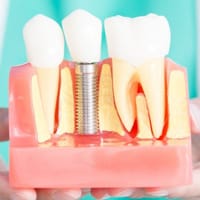
The loss of a tooth shrinks your jawbone. Gum disease accelerates that bone shrinkage. Bone grafting rebuilds volume where the bone was lost. It stabilizes the foundation of the jaw. Dentists primarily apply bone grafting to establish a strong foundation for an implant, which requires robust bone support. Without sufficient bone, implants fail. Bone grafting is, therefore, a frequent first step.
Dentists have a variety of bone grafting materials to choose from. The options are your bone (autografts), donor bone (allografts), or synthetic. Xenografts, of animal origin, are also popular. Each has its advantages and applications, tailored to the patient’s specific requirements and health needs.
Bone grafting Houston is not merely for aesthetics. It is functional. It can enhance your bite, facial structure, and options for future dentistry.
What Happens to the Graft Without an Implant?
Once bone grafted, your body begins to incorporate the material with your bone. This is referred to as osseointegration. Without an implant to hold that newly grafted bone in place, outcomes can be unpredictable.
In the initial months, the bone graft tends to do just fine. However, with time, things can happen. If there is no mechanical stimulation, such as chewing forces from an implant, the body can start to reabsorb the graft bone. Bone is not static. It responds to pressure and utilization. Without it, the grafted site can gradually recede again.
Certain patients have enough bone to last for years after the graft. Others lose it gradually, complicating subsequent dental procedures. The body considers unused bone unnecessary and resorbs the minerals it contains. This is particularly common in regions of the jaw with high intrinsic turnover.
Bone grafting without a subsequent implant isn’t necessarily wasted, but is unreliable. Frequent check-ups with your dentist can assist in observing stability. Re-grafting is often necessary in most cases if treatment is delayed too long.
Medical and Dental Implications
Not having the implant follow-up bone grafting impacts your long-term oral health. Jawbone mass could decrease again. Close teeth may move towards the void and result in alignment and bite problems. This affects chewing and appearance.
Bone grafting left without follow-up can also pose a minimal risk of infection, particularly if the healing process is not monitored. While uncommon, untreated grafts can fail or develop into areas of chronic inflammation. This is the reason for the dentist’s follow-up.
Even for patients considering bridges or dentures as alternatives to implants, bone quality does play a role. Dentures fit better on a firm ridge. Delayed implants may require repeat bone grafting if there is resorption.
Talk through all your options with your dentist early. A long-term plan saves the value of your bone grafting.
Bone grafting maintains your future dental health, but only with an open plan. Bone can gradually resorb without an implant, and particularly if left unstimulated.
Our dentists can advise you on how to maintain your graft in the long term. Early action secures the success of bone grafting and prevents re-procedures.
Share this Post