20% Off All-On-4

The Process of Getting Dental Implants: Step-by-Step Guide
June 21, 2024
/
Dental implants have revolutionized the world of dentistry, offering a durable and natural-looking solution for those who have lost one or more teeth. Unlike dentures, which can be inconvenient and uncomfortable, dental implants provide a permanent fix that mimics the look and function of natural teeth. If you are considering dental implants, understanding the entire process from start to finish is crucial. This step-by-step guide will walk you through what to expect, helping you make an informed decision about your oral health.
Introduction
Losing a tooth can be a traumatic experience, affecting not just your appearance but also your self-confidence and overall oral health. Dental implants offer a remarkable solution, restoring both function and aesthetics. Whether you’ve lost a tooth due to injury, decay, or other reasons, dental implants provide a lasting, reliable option. This guide is designed to demystify the process, breaking it down into manageable steps to help you navigate your journey to a healthier, more beautiful smile.
Step 1: Initial Consultation and Assessment
The journey to getting dental implants begins with an initial consultation with your dentist or a specialist known as a periodontist or oral surgeon. During this visit, your dental professional will evaluate your oral health to determine if you are a good candidate for implants.
What to Expect:
- Comprehensive Examination: This includes a thorough examination of your teeth and gums, and often involves X-rays or 3D imaging to assess the condition of your jawbone.
- Medical History Review: Your dentist will review your medical history to ensure there are no underlying health issues that could affect the implant procedure.
- Discussion of Options: You’ll discuss your goals, expectations, and any concerns you might have. The dentist will explain the procedure in detail, including costs and time frames.
Step 2: Treatment Planning
Once you’re deemed a suitable candidate, a personalized treatment plan is created. This plan outlines the steps involved in your specific case and includes details about the type and number of implants required.
Key Components:
- Custom Plan: Based on your dental condition, the number of missing teeth, and your jawbone’s health.
- Timeline: A schedule for the procedures, including healing times between steps.
- Cost Estimate: A detailed breakdown of the costs involved, including surgery, anesthesia, and post-operative care.
Step 3: Tooth Extraction (if necessary)
If you still have a damaged tooth that needs to be replaced by an implant, it will need to be extracted. This is a straightforward procedure usually performed under local anesthesia.
What to Expect:
- Anesthesia: Local anesthesia is used to numb the area, ensuring you feel no pain during the extraction.
- Extraction Process: The dentist will carefully remove the damaged tooth, making sure the surrounding bone and tissue are preserved.
Step 4: Bone Grafting (if necessary)
In some cases, patients may not have sufficient jawbone density to support an implant. If this is the case, a bone graft may be required to build up the bone.
Bone Grafting Process:
- Source of Graft: Bone can be taken from another area of your body or from a synthetic source.
- Healing Time: After the graft is placed, it can take several months for the new bone to grow and strengthen enough to support an implant.
Step 5: Implant Placement
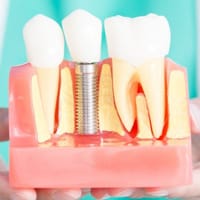
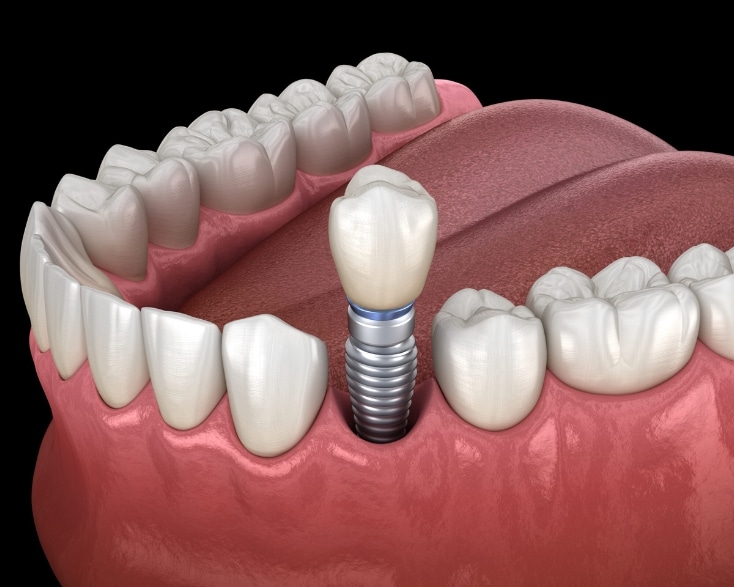
Once your jawbone is ready, the next step is to place the dental implant. This involves surgically inserting a titanium post into the jawbone. The titanium post acts as the root for the new tooth.
The Surgical Procedure:
- Anesthesia: The area is numbed with local anesthesia.
- Insertion: The dentist or oral surgeon makes a small incision in the gum to expose the bone, then drills a hole to place the titanium implant.
- Healing Period: The implant needs time to fuse with the jawbone in a process called osseointegration, which can take several months.
Step 6: Abutment Placement
After the implant has successfully fused with the jawbone, an abutment is placed on top of the implant. The abutment serves as the connector between the implant and the replacement tooth.
Procedure Details:
- Anesthesia: This is a minor procedure typically done under local anesthesia.
- Placement: The dentist reopens the gum to attach the abutment to the implant.
Step 7: Crown Placement
The final step in the dental implant process is placing the crown, the part of the tooth that is visible above the gum line. The crown is custom-made to match your natural teeth in shape and color.
What to Expect:
- Impressions: Your dentist will take impressions of your teeth to create a crown that fits perfectly.
- Crown Attachment: Once the crown is ready, it is attached to the abutment. This can be done with a screw or dental cement.
The process of getting dental implants is a multi-step journey that requires time and patience, but the results are well worth the effort. From the initial consultation to the final placement of your custom crown, each step is designed to ensure the best possible outcome for your oral health and aesthetic appeal. With proper care, dental implants can last a lifetime, providing a durable, natural-looking solution that restores both function and confidence.
Dental implants have become the gold standard for tooth replacement, thanks to their longevity and natural appearance. If you’re considering dental implants, now you have a clear understanding of the process involved. Remember to consult with your dental professional to tailor the procedure to your specific needs and conditions.
FAQs About Dental Implants
- How long does the entire dental implant process take?The entire process can take anywhere from 3 to 9 months, depending on individual healing times and whether bone grafting is needed.
- Are dental implants painful?Most patients report that implant surgery is less painful than tooth extraction. Local anesthesia and sedation options help minimize discomfort during the procedure.
- How do I care for my dental implants?Care for dental implants just like your natural teeth, with regular brushing, flossing, and dental check-ups.
- What is the success rate of dental implants?Dental implants have a success rate of up to 98%. Proper oral hygiene and regular dental visits can help maintain this success rate.
- Are there any risks or complications associated with dental implants?Like any surgical procedure, dental implants come with some risks, including infection, nerve damage, and implant failure. However, these risks are relatively low.
- Can anyone get dental implants?Most people who are in good health and have sufficient jawbone density are candidates for dental implants. A thorough evaluation by a dental professional is necessary.
- How much do dental implants cost?The cost of dental implants varies based on the complexity of the case, the number of implants needed, and other factors. It’s best to get a detailed estimate from your dentist.
Share this Post