20% Off All-On-4

How Does Vaping Affect Your Teeth and What You Can Do About It?
October 7, 2024
/
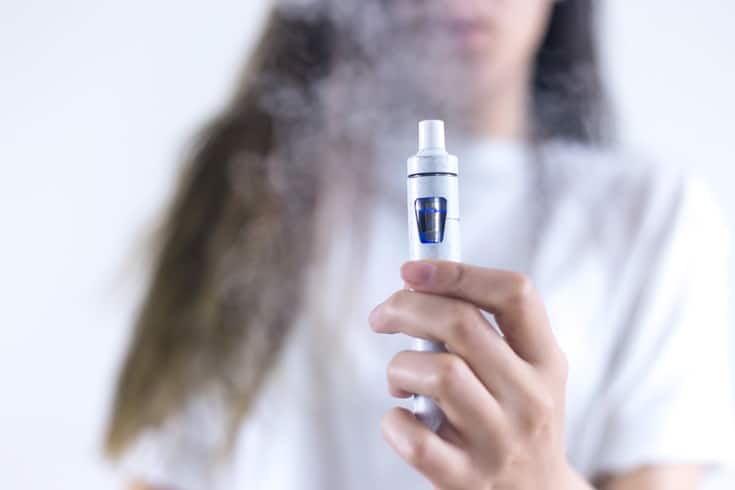
Vaping has become a popular alternative to traditional smoking. Many people turn to e-cigarettes thinking they are a safer option. However, this trend raises concerns about its effects on dental health.
A recent study found that vaping can lead to oral health problems, including gum disease and tooth decay. While many believe vaping is harmless, it can significantly impact your smile.
This blog will explore how vaping affects your teeth and gums and what you can do to maintain your dental health.
Understanding Vaping
Vaping involves inhaling vapor produced by an electronic cigarette or vape device. These devices heat a liquid, commonly known as e-liquid or vape juice. This liquid typically contains a mixture of nicotine, flavorings, and other chemicals. Unlike traditional cigarettes, which burn tobacco, vaping uses this liquid to create an aerosol that users inhale.
The main ingredients in e-liquids include propylene glycol, vegetable glycerin, and flavorings. Propylene glycol is a colorless, odorless liquid that enhances the vapor’s throat hit. Vegetable glycerin adds sweetness and thickness to the vapor. Additionally, many e-liquids contain nicotine, which is addictive and can cause various health issues.
While vaping may seem less harmful than smoking, it can still pose risks. Traditional cigarettes produce tar and harmful chemicals through combustion. In contrast, vaping heats e-liquids, which can still release toxic substances. Studies show that some vape aerosols contain heavy metals, volatile organic compounds, and other potentially harmful ingredients.
Another key difference is the social aspect. Many view vaping as trendy, making it more appealing to young adults and teenagers. This perception can lead to increased usage and dependence. As vaping grows popular, understanding its effects on oral health becomes crucial.
The Impact of Vaping on Dental Health
Teeth Discoloration
One of the most noticeable effects of vaping is teeth discoloration. Nicotine and other chemicals in e-liquids can stain teeth over time. Just like traditional smoking, vaping can lead to yellowing or brownish stains on enamel. These discolorations can diminish your smile’s brightness and appeal. Regular dental cleanings may help, but prevention is the best approach.
Gum Health
Vaping can negatively affect gum health. The chemicals in e-liquids can irritate gum tissue, leading to inflammation. This inflammation increases the risk of gum disease, resulting in gum recession and tooth loss if left untreated. A study indicated that individuals who vape are more likely to develop periodontal disease than non-smokers.
Maintaining healthy gums is vital for overall oral health. Healthy gums support your teeth and help prevent infection. If you notice swollen or bleeding gums, it is essential to consult a dentist.
Dry Mouth
Dry mouth is a common side effect of vaping. Vapor inhalation can reduce saliva production, which is crucial for maintaining oral health. Saliva helps wash away food particles and neutralize acids produced by bacteria. Without adequate saliva, you may experience discomfort and an increased risk of dental issues.
Dry mouth can lead to bad breath and difficulty swallowing. Additionally, it creates an environment where bacteria thrive, raising the likelihood of cavities and gum disease. Staying hydrated is essential for combating dry mouth and supporting overall dental health.
Increased Risk of Cavities
The sweet flavors in many e-liquids can contribute to tooth decay. Sugary e-liquids provide food for harmful bacteria in your mouth, producing acid. This acid erodes tooth enamel, causing cavities.
Furthermore, the combination of dry mouth and sugar creates a perfect storm for cavities. When saliva levels are low, the mouth cannot effectively neutralize acids, making teeth more vulnerable to decay. Regular dental visits and good oral hygiene can help combat these risks.
What You Can Do About It?
Good Oral Hygiene Practices
To protect your teeth while vaping, practice good oral hygiene. Brush your teeth at least twice a day using fluoride toothpaste. Floss daily to remove food particles and plaque from between teeth. Consider using an antibacterial mouthwash to kill harmful bacteria. Regularly cleaning your mouth will help reduce the impact of vaping on your teeth.
Regular Dental Check-ups
Visiting your dentist regularly is crucial for maintaining oral health. Schedule check-ups every six months for cleanings and examinations. Your dentist can identify potential issues early and provide tailored guidance. Do not hesitate to discuss your vaping habits during these visits.
Staying Hydrated
Staying hydrated is vital for maintaining saliva production. Drink plenty of water throughout the day to keep your mouth moist. Consider carrying a water bottle to remind yourself to sip regularly. Staying hydrated can help combat dry mouth and support overall oral health.
Reducing Vaping Habits
If you are concerned about the effects of vaping, consider reducing your usage or quitting altogether. Start by setting small goals, such as cutting back on daily vape sessions. You can also explore nicotine replacement therapies or support groups designed to help individuals quit.
Numerous resources are available for those looking to quit vaping. Consider speaking with a healthcare professional or accessing online support programs.
Vaping can significantly impact your dental health, from discoloration to increased cavities. Understanding these effects is vital for maintaining a healthy smile. Implementing good oral hygiene practices, staying hydrated, and scheduling regular dental check-ups can help mitigate these risks.
If you vape, consider reducing your usage or quitting for the sake of your oral health. Remember, your smile is worth protecting. Consult with our dentist today or explore resources to help you quit vaping.
Share this Post