20% Off All-On-4

What’s The Difference Between Oral Sedation And Iv Sedation?
April 28, 2025
/
For many people, the mere thought of a dental visit sparks anxiety. Fortunately, modern dentistry offers solutions that make treatments smoother and stress-free—namely oral sedation and IV sedation. But how do these two methods compare, and which one is right for you?
In this blog, we’ll break down the differences in a way that’s clear, helpful, and easy to digest—just like your future dental experience should be!
Oral Sedation: The Simple Pill for Peace of Mind
Oral sedation involves taking a prescribed pill—typically Halcion or diazepam—before your procedure. It’s a form of conscious sedation, meaning you’re awake but deeply relaxed.
How It Works:
- You take the pill about an hour before the procedure.
- You’ll remain responsive but might feel drowsy or even fall asleep lightly.
- The effects can last a few hours, so you’ll need someone to drive you home.
Best For: Mild to moderate anxiety, longer procedures, and patients who prefer not to be “too aware” during dental work.
IV Sedation: Precision Relaxation Delivered Straight To Your Veins
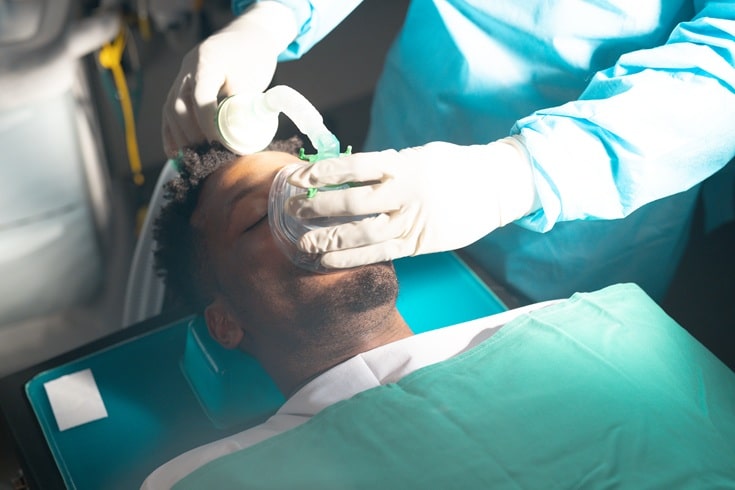
IV sedation is applied through a vein, typically in your arm or hand, and works almost immediately. Like oral sedation, it keeps you conscious, but in a much deeper state of relaxation.
How It Works:
- You’ll be hooked up to an IV before the procedure.
- Your dental team can adjust the medication in real time.
- You likely won’t remember much of the procedure at all.
Best For: Moderate to severe dental anxiety, surgical procedures, or patients who want minimal memory of their treatment.
Oral or IV Sedation? Key Differences at a Glance
When it comes to choosing between oral and IV sedation, the key differences lie in how they’re applied, how quickly they take effect, and the level of sedation they provide.
- Oral sedation comes in the form of a pill, usually taken 30 to 60 minutes before your dental procedure. It induces a mild to moderate level of sedation, allowing you to remain conscious and relaxed, though you might have only a partial memory of the procedure afterward.
It’s generally more affordable and requires only basic monitoring during the visit.
- In contrast, IV sedation in Houston is delivered directly into the bloodstream through an intravenous injection, which means it takes effect almost immediately. This method allows for a deeper level of sedation—moderate to deep—and often results in little to no memory of the procedure.
While it tends to be more expensive, it offers the advantage of real-time dosage adjustment and continuous monitoring of vital signs such as heart rate, blood pressure, and oxygen levels throughout the procedure.
Ultimately, both options are safe and effective, but your decision may depend on your level of dental anxiety, the complexity of the treatment, and the recommendation of your dental professional.
According to the American Dental Association, nearly 36% of the population go through dental anxiety, and sedation dentistry has helped reduce appointment cancellations by up to 60% in certain practices.
Which One Should You Choose?
Let’s make this simple. Consider these scenarios:
- You just need a cleaning or a filling but feel nervous? Oral sedation may be perfect.
- You need multiple extractions or have a history of dental trauma? Go for IV sedation.
- Want a more affordable option that’s easy to use? Stick with oral.
- Want zero memory of your visit and a fast-acting solution? Choose IV.
Ultimately, choosing between oral and IV sedation depends on your individual needs, your comfort level, and your commitment to maintaining good oral health. Of course, a dentist will assess your medical history and level of anxiety to guide you toward the safest and most effective option.
Safety First: What You Should Know
Both oral and IV sedation are safe when administered by a qualified professional. Your vital signs will be monitored throughout your visit, especially during IV sedation. You’ll need to:
- Avoid food and drink before the procedure.
- Arrange a ride home.
- Take the rest of the day to rest and recover.
Bottom Line: It’s About Your Comfort
Whether it’s a routine cleaning or something more complex, you deserve a calm, anxiety-free dental experience. Both oral and IV sedation have their place in modern dentistry, and choosing the right one comes down to your comfort, the complexity of your procedure, and your provider’s recommendation.
So, the next time your nerves try to talk you out of making that appointment, don’t listen. You’ve got options, and they’re more comfortable than you ever imagined.
Ready to take control of your dental fear?Talk to our dentist today about which sedation option is best for your next visit. Your smile—and your peace of mind—are worth it.
Share this Post