20% Off All-On-4

Dental Implants Houston
May 28, 2026
/
Dental Implants Houston: A Complete Guide for Local Patients
If you are missing one or more teeth, you are not alone. Many Houston residents deal with this challenge every day. Dental implants in Houston have become one of the most trusted solutions for tooth loss. At Dentiq Dentistry Houston, Dr. Shreed Sista helps patients across the community rebuild their smiles with confidence.
This guide walks you through everything you need to know. We cover how implants work, who qualifies, and what makes them especially relevant for patients living in our area. Whether you are in Bellaire, West University Place, or Southside Place, this information applies directly to you.
What Are Dental Implants and How Do They Work?
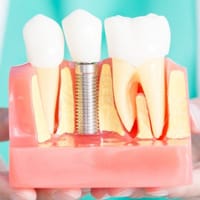
A dental implant is a small titanium post. It is placed directly into the jawbone beneath your gum line. Over time, it fuses with the bone in a process called osseointegration. This creates a stable, permanent root for your replacement tooth.
Once the implant is secure, a custom crown is attached on top. The result looks and feels like a natural tooth. You can eat, speak, and smile without worry. No slipping, no adhesives, and no discomfort from removable hardware.
Implants also protect your jawbone. When a tooth is lost, the bone beneath it begins to shrink. An implant stimulates that bone just like a natural root would. This helps maintain your facial structure over time.
- Titanium post fuses with the jawbone for a permanent base
- Custom crown matches your natural tooth color and shape
- Stimulates the jawbone to prevent bone loss
- No removal needed — functions like a real tooth
- Can last decades with proper care
Dental Implants Houston: Why Local Patients Benefit
Houston’s hot, humid climate plays a surprising role in oral health. High humidity and heat can increase dry mouth, especially during the long Texas summers. Dry mouth reduces saliva, which accelerates tooth decay and gum disease. These conditions can contribute to tooth loss over time.
Houston’s tap water quality also varies by neighborhood. Some areas have higher mineral content that affects enamel. Patients in communities like Bellaire and West University Place may experience different water chemistry than those in other parts of the city. Being aware of this helps you take better preventive steps.
Houston residents tend to lead active, social lifestyles. Whether you are attending a spring graduation celebration or a Southside Place community event, your smile matters. Dental implants allow you to participate fully without self-consciousness. They are a long-term investment in your daily quality of life.
Are You a Good Candidate for Dental Implants?
Most healthy adults are candidates for dental implants. However, your dentist will evaluate several factors before recommending them. Bone density is one of the most important. Adequate jawbone is needed to support the implant post.
Gum health is equally important. Active gum disease must be treated before implant placement. Smoking can also reduce the success rate of implants. Dr. Sista will review your full medical and dental history before creating your treatment plan.
Certain health conditions may require additional evaluation. These include diabetes, autoimmune disorders, and medications that affect bone healing. Younger patients whose jaws are still developing may need to wait. Your consultation will determine the right timing for you.
- Schedule a consultation with Dr. Shreed Sista at Dentiq Dentistry Houston
- Receive a full exam including X-rays and bone density evaluation
- Discuss your health history and any existing dental concerns
- Review your personalized treatment plan and timeline
- Begin the implant process at a pace that works for you
If you are not ready for a single implant, there are other options. Implant-supported dentures combine the stability of implants with the coverage of full or partial dentures. This is a great option for patients missing many teeth.
How Dental Implants Compare to Other Tooth Replacement Options
Houston patients often ask how implants compare to bridges or dentures. Each option has its place, depending on your needs. Understanding the differences helps you make a confident decision with your dentist.
A dental bridge fills a gap by anchoring to the teeth on either side. This works well for many patients. However, it requires altering healthy adjacent teeth. Implants do not affect neighboring teeth at all.
Traditional dentures are removable and cover a full arch of missing teeth. They can shift or cause irritation over time. Implants eliminate that problem entirely. They are fixed in place and require no special adhesives.
Dental crowns placed on implants look just like natural teeth. They are color-matched and custom-shaped for your mouth. The result is seamless and natural in appearance. Most people cannot tell the difference between a crown on an implant and a real tooth.
Caring for Your Dental Implants in Houston’s Climate
Caring for implants is straightforward. You brush and floss them just like natural teeth. Good oral hygiene keeps the surrounding gum tissue healthy. This is essential for implant longevity.
Houston’s summer heat means staying hydrated is especially important. Drinking plenty of water supports saliva production. Saliva naturally cleans your mouth and protects both natural teeth and implants. Make hydration a daily habit, especially during the warm spring and summer months.
Regular dental visits are also key. Routine cleanings allow your dentist to monitor the health of your implants and surrounding gums. Catching any early issues prevents larger problems later. Dr. Sista and the Dentiq Dentistry Houston team are here to support your long-term oral health.
This time of year — late spring in Houston — is a great moment to prioritize your smile. Prom, graduation, and Mother’s Day are all reasons to look and feel your best. Many patients use this season to take the first step toward a transformed smile.
Starting Your Dental Implant Journey at Dentiq Dentistry Houston
Dr. Shreed Sista brings both expertise and genuine care to every patient. The team at Dentiq Dentistry Houston takes time to understand your goals. Your comfort and confidence matter from the very first visit. The practice serves patients throughout Houston, including those coming from Bellaire and surrounding neighborhoods.
If cost is a concern, understanding your financial options can help. Dentiq Dentistry Houston offers guidance to make care more accessible. You can explore financing and payment options to find a plan that works for your budget.
Taking that first step is often the hardest part. A consultation is low-pressure and informative. You will leave with a clearer picture of your options and what to expect. Book Now to schedule your appointment with our team.
Frequently Asked Questions
How long do dental implants last?
Dental implants are designed to be a long-term solution. With proper care and regular dental visits, implants can last 20 years or more. Some patients keep their implants for a lifetime. The crown on top may need replacement after 10 to 15 years due to normal wear.
Is the dental implant procedure painful?
Most patients report less discomfort than they expected. Local anesthesia is used during the procedure to keep you comfortable. Mild soreness in the days after is normal and manageable. Dr. Sista will provide clear aftercare instructions to help your recovery go smoothly.
How long does the full implant process take?
The timeline varies depending on each patient’s needs. From placement to final crown, the process typically takes three to six months. This allows time for the implant to fully fuse with the bone. Patients who need bone grafting may have a longer timeline.
Can dental implants fail?
Implant failure is uncommon but possible. Smoking, poor oral hygiene, and untreated gum disease increase that risk. Following your dentist’s guidance greatly improves success rates. Dr. Sista evaluates each patient carefully to minimize any risk factors before proceeding.
What is the difference between implants and implant-supported dentures?
A single dental implant replaces one missing tooth with a post and crown. Implant-supported dentures use multiple implants to anchor a full or partial arch of teeth. Both offer much greater stability than traditional removable dentures. Your dentist will recommend the best option based on how many teeth you are missing.
Share this Post