20% Off All-On-4

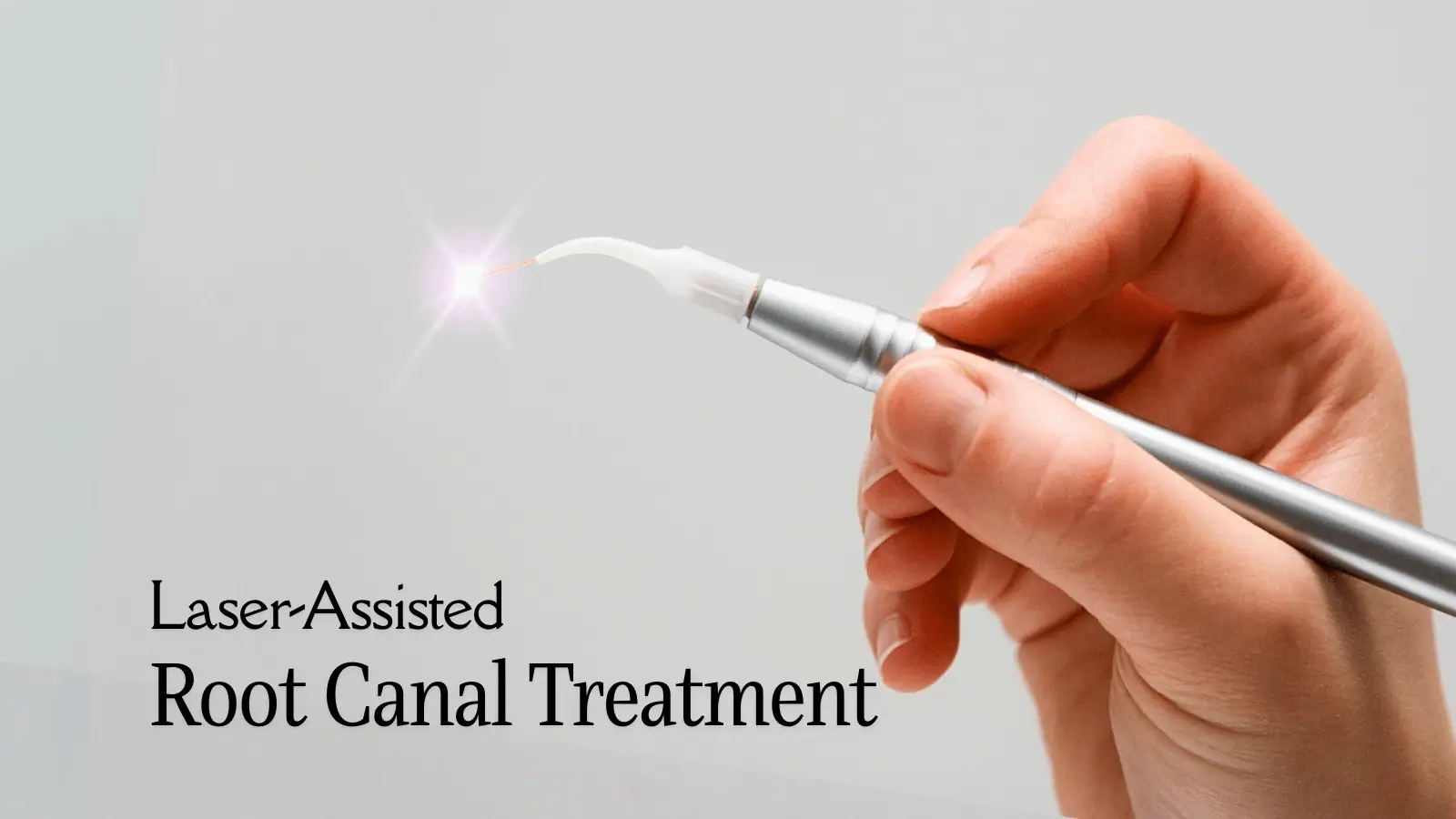
Laser-Assisted Root Canal: A Modern Solution
September 17, 2024
/
Root canal therapy is a common procedure designed to treat infections and damage within a tooth’s pulp. Traditionally, this procedure entails clearing out the damaged or contaminated pulp, then sanitizing the canal and finally sealing it. With advancements in dental technology, laser-assisted root canal therapy has emerged as a modern solution that offers several benefits over conventional methods. This article explores the advantages of this technology and what to expect before, during, and after the treatment.
What is Laser-Assisted Root Canal Therapy?
This therapy incorporates laser technology to enhance the root canal procedure. Lasers are concentrated light beams that are able to precisely target and treat particular tooth regions. Using lasers to treat root canals aims to improve the efficacy, comfort, and overall success of the treatment.
Benefits of Taking This Therapy
- Precision and Accuracy
- Targeted Treatment: Lasers can precisely locate and treat infected areas within the root canal system. This precision helps to ensure that all infected tissue is removed while preserving healthy tooth structure.
- Enhanced Cleaning: Lasers improve the cleaning and disinfection of the root canal, addressing areas that might be difficult to reach with traditional instruments.
- Reduced Discomfort
- Less Pain: Often results in less postoperative pain compared to conventional root canal therapy. The laser minimizes trauma to surrounding tissues, reducing inflammation and discomfort.
- Minimal Anesthesia: Many patients require less local anesthesia during laser-assisted procedures due to the reduced invasiveness of the treatment.
- Faster Healing
- Accelerated Recovery: Laser precision reduces the need for extensive drilling and tissue removal, consequently leading to a quicker recovery time. Patients often experience faster healing and reduced swelling, therefore benefiting from a more comfortable postoperative period.
- Reduced Risk of Infection: Lasers’ enhanced disinfection lowers the risk of reinfection, promoting better long-term outcomes.
- Improved Efficiency
- Streamlined Procedure: Laser technology allows for more efficient cleaning and shaping of the root canals. This can result in a shorter overall treatment time.
- Better Visibility: Lasers provide better visibility of the treatment area, making it easier for the dentist to perform the procedure accurately.
How Laser-Assisted Root Canal Therapy Works?
- Initial Consultation and Diagnosis
- Examination: The dentist will perform a thorough examination, including X-rays, to assess the condition of the tooth and determine if laser-assisted root canal therapy is appropriate.
- Treatment Plan: On the basis of the assessment, the dentist will develop a customized treatment plan tailored to the specific needs of the patient.
- Preparation
- Anesthesia: Dentists use local anesthesia to numb the affected tooth and surrounding area, ensuring a comfortable experience during the procedure.
- Isolation: To keep the tooth dry and free of saliva, a rubber dam is positioned around it, which helps maintain a sterile environment. Moreover, the rubber dam also isolates the tooth from the rest of the mouth, thus preventing any bacteria or other contaminants from entering the work area.
- Laser Treatment
- Access: The dentist creates a small opening in the tooth to access the root canals.
- Laser Application: The laser is carefully directed into the root canals to remove infected tissue and disinfect the canal system. The laser’s energy helps to clean and shape the canals with high precision.
- Irrigation: In addition to laser treatment, the canals are irrigated with antiseptic solutions to further enhance cleaning and disinfection.
- Sealing and Restoration
- Filling: The canals are filled with a biocompatible substance once they have been cleansed and formed, to seal them and prevent future infection.
- Restoration: Depending on the extent of damage and the tooth’s location, your dentist will decide whether to use a filling or crown to restore your tooth.
What To Expect After The Procedure?
- Post-Treatment Care
- Managing Sensitivity: Some sensitivity and discomfort are normal after the procedure. Over-the-counter pain relievers can help manage any minor discomfort.
- Oral Hygiene:Proper oral hygiene is crucial to ensure the root canal’s success and prevent further complications. Regularly brush and floss your teeth, and follow any specific cleaning instructions provided by your dentist.
- Follow-Up Appointments
- Monitoring: To keep the tooth dry and free of saliva, dentists position a rubber dam around it, which helps maintain a sterile environment. Moreover, the rubber dam also isolates the tooth from the rest of the mouth, thus preventing any bacteria or other contaminants from entering the work area.
- Long-Term Care: Your dentist will offer advice on how to care for the restored tooth and any signs of complications to watch for.
Laser-assisted root canal therapy represents a significant advancement in dental treatment, offering precision, comfort, and efficiency. Indeed, by utilizing the power of lasers, this modern approach to root canal therapy enhances the cleaning and disinfection of the root canal system. Furthermore, it reduces postoperative discomfort and consequently promotes faster healing.
If you’re facing a root canal procedure, consider discussing the benefits of laser-assisted treatment with your dentist. With its many advantages, this therapy may be the ideal solution for maintaining your oral health and preserving your natural smile.
Frequently Asked Questions
- How does laser-assisted root canal therapy compare in terms of recovery time?
Laser-assisted root canal therapy typically results in a more comfortable and quicker recovery than with standard methods. Several factors can contribute to this improvement in recovery time. Firstly, the precision of lasers significantly reduces trauma to the surrounding tissues. By targeting only the infected areas and minimizing damage to healthy tissues, the laser minimizes inflammation and post-treatment pain.
- How does laser-assisted root canal therapy differ from traditional root canal therapy?
The main difference between traditional root canal therapy and laser root canal therapy is the use of laser technology. Traditional root canal therapy relies on manual tools and irrigation supplies to sanitize and sculpt the canals. In contrast, laser-assisted therapy uses a laser to precisely target and remove infected tissue, improve disinfection, and minimize trauma to surrounding tissues. This can lead to less pain, faster healing, and a more efficient procedure.
- Is laser-assisted root canal therapy painful?
Laser-assisted root canal therapy generally causes less pain compared to traditional methods. The laser is less invasive and often reduces the need for extensive drilling, which can minimize discomfort. Most patients experience only mild soreness after the procedure, and many require less local anesthesia due to the reduced invasiveness of the laser.
- How long does the laser-assisted root canal procedure take?
The duration of the laser-assisted root canal procedure varies depending on the complexity of the case and the number of canals involved. However, the use of lasers can streamline the process and potentially shorten the overall treatment time compared to traditional root canal therapy. Your dentist will give you a more precise estimate based on your particular circumstances during the consultation.
- What should I expect after a laser-assisted root canal procedure?
Following the operation, you may experience some sensitivity or slight discomfort. It is normal, and you can easily manage with over-the-counter pain relievers. It’s important to carefully follow your dentist’s post-treatment care instructions. In addition, maintaining good oral hygiene and scheduling any necessary follow-up appointments are crucial steps for ensuring a successful recovery.
Contact your dentist promptly for evaluation if you feel excruciating pain, edema, or other concerns.
Share this Post