20% Off All-On-4

The Risks of Remote Work on Oral Health
July 29, 2024
/
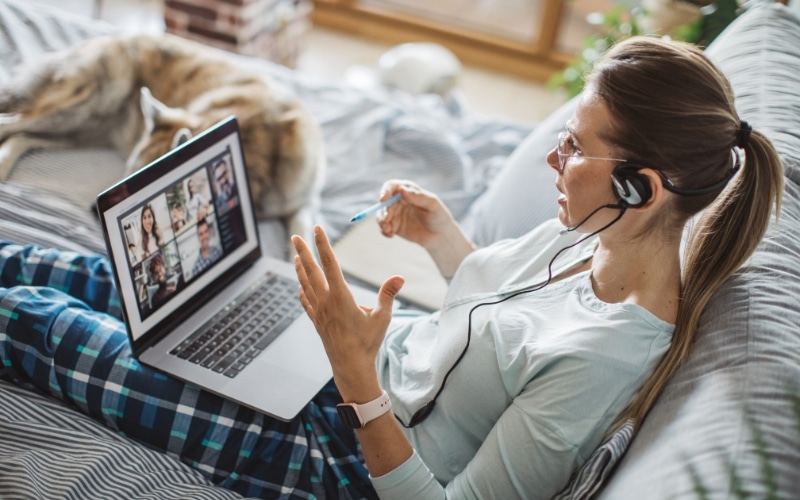
Working from home has become the new norm for many of us. It’s convenient, and flexible, and allows us to balance our personal and professional lives more effectively. However, with all its perks, remote work also brings some unique challenges—especially when it comes to maintaining good oral health. I’ve noticed that the lines between work and personal time blur, leading to habits that might negatively impact my dental care. Let’s delve into the risks of remote work on oral health and explore ways to mitigate them.
The Importance of Routine
When I worked in an office, I had a set routine. I’d wake up, brush my teeth, and head to work. Lunch breaks were at specific times, and I rarely snacked throughout the day. However, working from home disrupted this routine significantly.
How Routine Affects Oral Health
Routines help maintain consistent oral hygiene habits. When I had a regular schedule, I brushed my teeth at the same times every day. Now, with the flexibility of remote work, it’s easy to forget to brush in the morning or after meals.
Impact of Skipping Brushing
Skipping brushing can lead to plaque buildup, which can cause cavities and gum disease. Plaque is a sticky film of bacteria that forms on teeth and can harden into tartar if not removed regularly. This can result in serious dental issues over time.
Establishing a New Routine
To counteract this, I’ve found it helpful to set reminders on my phone to brush my teeth. Creating a new routine that fits my work-from-home lifestyle has been crucial in maintaining good oral hygiene. I now make it a point to brush after breakfast and lunch, and of course, before bed.
Increased Snacking
One of the biggest changes I’ve noticed is the increase in snacking. With the kitchen just a few steps away, it’s tempting to grab a quick snack between meetings or during breaks. Unfortunately, this habit can be detrimental to oral health.
How Snacking Affects Teeth
Frequent snacking, especially on sugary or starchy foods, provides a constant food source for bacteria in the mouth. These bacteria produce acids that can erode tooth enamel, leading to cavities.
Choosing Healthier Snacks
To mitigate this, I try to choose healthier snacks like fruits, vegetables, and nuts. These foods are not only better for my overall health but also less likely to cause tooth decay. Additionally, I make it a habit to drink water after snacking to help wash away food particles and neutralize acids.
Setting Snack Times
Another strategy that’s worked for me is setting specific times for snacks, similar to how I would have breaks in an office. This helps reduce the number of times my teeth are exposed to acids throughout the day.
Neglecting Hydration
In an office setting, I used to drink water regularly. At home, I’ve noticed I often forget to stay hydrated, especially during busy workdays. Adequate hydration is essential for oral health.
Importance of Hydration for Oral Health
Saliva plays a critical role in maintaining oral health. It helps neutralize acids, wash away food particles, and protect against tooth decay and gum disease. When I don’t drink enough water, my mouth becomes dry, reducing saliva production.
Tips to Stay Hydrated
To ensure I stay hydrated, I keep a water bottle on my desk and set reminders to take regular sips. Drinking water consistently throughout the day has helped me maintain better oral health and overall well-being.
Avoiding Sugary Drinks
I’ve also made a conscious effort to avoid sugary drinks like soda and juice, which can contribute to tooth decay. Water is the best choice for staying hydrated and protecting my teeth.
Skipping Dental Visits
Remote work has made it easy to postpone or forget dental appointments. However, regular dental check-ups are crucial for maintaining good oral health.
Importance of Regular Dental Visits
Regular dental visits allow for early detection of potential issues like cavities, gum disease, and oral cancer. Dentists can also provide professional cleanings to remove plaque and tartar that brushing and flossing might miss.
Tele-dentistry Options
Some dental offices offer tele-dentistry options for consultations. While it doesn’t replace a full in-person examination, it’s a useful tool for addressing minor concerns and getting professional advice without leaving home.
Stress and Oral Health
Remote work, while convenient, can also be stressful. Managing work tasks, household chores, and family responsibilities simultaneously can take a toll on mental health, which in turn affects oral health.
How Stress Impacts Oral Health
Stress can lead to habits like teeth grinding (bruxism), nail-biting, and neglecting oral hygiene. Grinding teeth can cause wear and tear, leading to tooth sensitivity and pain. Nail-biting can introduce harmful bacteria into the mouth, increasing the risk of infections.
Managing Stress
To manage stress, I practice mindfulness techniques such as deep breathing, meditation, and regular physical activity. Taking short breaks throughout the day to stretch or walk around also helps alleviate stress.
Seeking Professional Help
If stress becomes overwhelming, seeking help from a mental health professional can provide strategies and support to manage it effectively. Reducing stress has not only improved my overall well-being but also positively impacted my oral health.
Poor Posture and Oral Health
Remote work often involves long hours sitting at a desk, which can lead to poor posture. Surprisingly, poor posture can indirectly affect oral health.
Connection Between Posture and Oral Health
Poor posture, especially slouching, can cause tension in the neck and jaw muscles. This tension can lead to temporomandibular joint (TMJ) disorders, causing pain and discomfort in the jaw.
Maintaining Good Posture
To maintain good posture, I’ve adjusted my workspace ergonomics. Using a comfortable chair, keeping my computer screen at eye level, and taking regular breaks to stretch have all helped improve my posture.
Exercises for Jaw Health
I also incorporate jaw exercises to relieve tension. Simple exercises like opening and closing the mouth slowly or moving the jaw side to side can help keep the jaw muscles relaxed.
Remote work offers many benefits, but it also presents challenges for maintaining good oral health. By being aware of the risks of remote work on oral health and taking proactive steps, I’ve managed to maintain my dental care routine effectively. Setting a consistent routine, choosing healthy snacks, staying hydrated, keeping up with dental visits, managing stress, and maintaining good posture are all essential strategies.
If you’re finding it difficult to balance remote work and oral health, consider visiting a dentist’s office to get personalized advice and support. Taking care of your oral health is vital, and professional guidance can help you navigate these challenges more effectively.
Share this Post