20% Off All-On-4

Why is it recommended not to take ibuprofen after a tooth extraction?
May 20, 2024
/
Tooth extractions, whether due to wisdom teeth, decay, or other dental issues, are a common procedure that many people will experience at some point in their lives. Post-extraction care is crucial for a smooth and speedy recovery, and managing pain effectively is a significant part of that process. While ibuprofen is a popular over-the-counter pain reliever, dental professionals often advise against its use after a tooth extraction. In this blog, we’ll delve into the reasons behind this recommendation and explore safer alternatives for pain management.
The Importance of Post-Extraction Care
Having a tooth extraction can be a daunting experience. Whether it’s the removal of a troublesome wisdom tooth or an infected molar, the thought of managing the aftermath can cause considerable anxiety. Pain management is a primary concern for most patients, and while over-the-counter medications like ibuprofen might seem like an obvious choice, there are significant reasons why dental professionals advise caution. Understanding these reasons can help patients make informed decisions about their post-extraction care and avoid complications that could hinder their recovery.
What Happens During a Tooth Extraction?
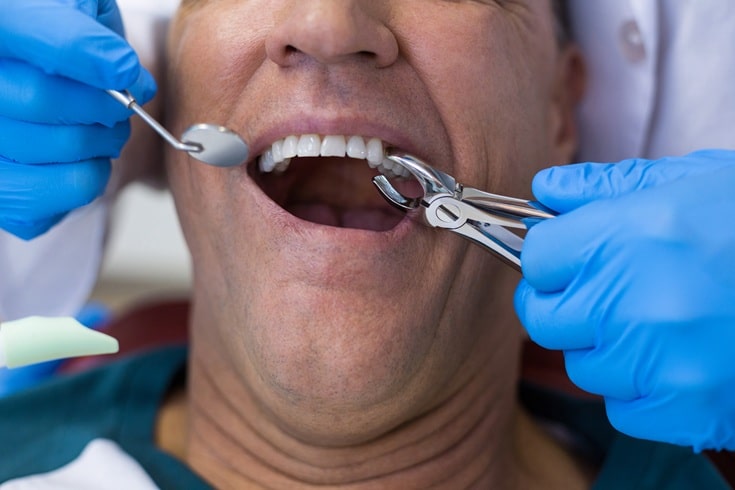
A tooth extraction involves removing a tooth from its socket in the bone. This procedure is often necessary for teeth that are damaged beyond repair, severely decayed, or causing overcrowding in the mouth. The extraction process, though typically straightforward, involves cutting into the gums and sometimes removing bone to free the tooth. This results in an open wound that needs time to heal.
The Role of Pain Management in Recovery
Pain is an inevitable part of the healing process after a tooth extraction. The body’s natural response to the trauma of surgery includes inflammation, which can cause significant discomfort. Managing this pain effectively is crucial not only for comfort but also to prevent further complications. However, the choice of pain relief can significantly impact the healing process.
Why Ibuprofen is Generally Avoided Post-Extraction
Ibuprofen, a nonsteroidal anti-inflammatory drug (NSAID), is widely used for its effectiveness in reducing pain and inflammation. However, there are specific reasons why it might not be the best choice after a tooth extraction.
1. Increased Risk of Bleeding
One of the primary concerns with ibuprofen is its blood-thinning effect. After a tooth extraction, the formation of a blood clot in the socket is essential for proper healing. This clot acts as a protective layer over the bone and nerves, preventing infection and aiding in tissue regeneration. Ibuprofen can inhibit platelet function, which is crucial for blood clotting, thereby increasing the risk of prolonged bleeding and interfering with the formation of this essential clot.
2. Delayed Healing Process
The anti-inflammatory properties of ibuprofen, while beneficial for reducing pain, can also delay the healing process. Inflammation is a natural part of the body’s healing response, helping to clear out damaged cells and bacteria from the wound site. By reducing inflammation excessively, ibuprofen can slow down these necessary immune responses, potentially leading to a longer recovery period and an increased risk of infection.
3. Potential for Gastrointestinal Issues
Ibuprofen, like other NSAIDs, can cause gastrointestinal problems, especially when taken on an empty stomach. These can range from mild discomfort to more serious issues such as ulcers or gastrointestinal bleeding. After an extraction, patients may already be dealing with reduced appetite and dietary restrictions, which can exacerbate the potential for these side effects.
Alternatives to Ibuprofen for Post-Extraction Pain Management
Given the potential drawbacks of ibuprofen, dental professionals often recommend other pain management strategies that are safer and equally effective.
1. Acetaminophen
Acetaminophen (Tylenol) is often recommended as it does not have the same blood-thinning effects as NSAIDs. It is effective at managing pain without interfering with the clotting process or causing gastrointestinal issues. However, it’s important to adhere to the recommended dosage to avoid potential liver damage.
2. Prescription Medications
In some cases, dentists may prescribe stronger pain relievers, such as opioids, for short-term use. These medications can be very effective at managing severe pain but come with their own risks, including the potential for dependency and side effects. It’s crucial to use them only as directed and for the shortest duration necessary.
3. Natural and Home Remedies
For those looking for non-pharmaceutical options, several natural remedies can help manage pain and promote healing:
- Cold Compress: Applying a cold compress to the outside of the cheek can help reduce swelling and numb the area, providing temporary pain relief.
- Salt Water Rinse: Gently rinsing with warm salt water can help keep the extraction site clean and reduce the risk of infection.
- Clove Oil: Known for its analgesic properties, clove oil can be applied to the extraction site to help numb the pain.
Making Informed Choices for Optimal Recovery
Navigating the post-extraction recovery process can be challenging, but making informed choices about pain management can significantly impact the outcome. While ibuprofen is a common pain reliever, its potential to interfere with blood clotting and delay healing makes it less ideal following a tooth extraction. By understanding the risks and exploring safer alternatives, patients can ensure a smoother, more comfortable recovery.
Remember, it’s always best to follow your dentist’s specific recommendations and communicate openly about any concerns or side effects you experience. Each patient’s needs and responses to medications can vary, and professional guidance is invaluable in tailoring the right approach to your recovery.
By prioritizing effective and safe pain management strategies, you can support your body’s natural healing process and return to your daily activities with minimal disruption. Whether you opt for acetaminophen, prescribed medications, or natural remedies, the goal is to manage pain without compromising your recovery. Stay informed, stay safe, and give yourself the best chance for a swift and smooth healing journey.
Categories
- Bone Grafting
- Cosmetic Dentistry
- Dental Care
- Dental Checkup
- Dental Crown
- Dental Crowns
- Dental Fillings
- Dental Health
- Dental Implants
- Dental Insurance
- Dental Sealants
- Dental Tips
- Dentiq Dentistry
- Dentist Houston
- dentist in Houston
- Denture
- Dentures
- Emergency Dentistry
- Fluoride Cleanings
- Full vs Partial Dentures
- Invisalign
- Orthodontics
- Porcelain Veneers
- Root Canal Treatment
- Sedation Dentistry
- Teeth Whitening
- TMJ therapy
- Tooth Extraction
- Uncategorized
- Wisdom Teeth Removal