20% Off All-On-4

Is a dental implant for teeth good or bad?
April 12, 2024
/
In the pursuit of the perfect smile, modern dentistry has witnessed remarkable advancements. Among these, dental implants stand out as a revolutionary solution for replacing missing teeth. Whether due to decay, injury, or other reasons, tooth loss can impact not only our oral health but also our self-confidence and overall well-being.
But are dental implants truly the holy grail of tooth replacement, or do they come with their own set of drawbacks? In this comprehensive guide, we delve into the world of dental implants to uncover the truth behind their efficacy, benefits, and potential drawbacks.
Understanding Dental Implants: The Basics
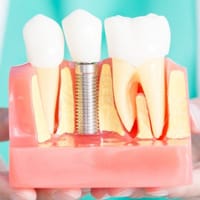
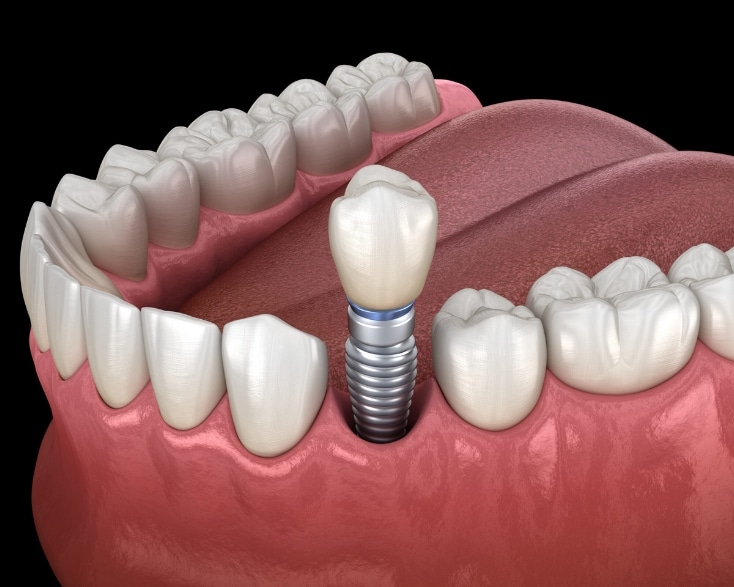
Dental implants are synthetic tooth roots crafted from biocompatible substances like titanium. Surgically placed into the jawbone, they serve as a sturdy foundation for mounting replacement teeth or bridges. Unlike traditional dentures or bridges, implants offer a permanent solution that closely mimics the look, feel, and function of natural teeth.
The Advantages of Dental Implants
- Enhanced Aesthetics: Dental implants blend seamlessly with existing teeth, providing a natural appearance that boosts confidence and self-esteem.
- Improved Functionality: Unlike removable dentures, implants allow for normal biting and chewing, enabling individuals to enjoy their favorite foods without restrictions.
- Longevity: When cared for appropriately, dental implants have the potential to endure a lifetime, providing a lasting remedy for replacing missing teeth.
- Preservation of Jawbone: Implants stimulate bone growth and prevent bone loss, maintaining the integrity of the jawbone and facial structure.
- Convenience: Unlike dentures, which require removal for cleaning and maintenance, dental implants can be cared for just like natural teeth, simplifying oral hygiene routines.
Potential Drawbacks of Dental Implants
- Cost: Dental implants can be more expensive upfront compared to alternative treatments such as bridges or dentures. However, considering their longevity and benefits, many individuals view them as a worthwhile investment in their oral health and quality of life.
- Surgical Procedure: The process of placing dental implants involves oral surgery, which may pose risks such as infection, bleeding, or nerve damage. However, with advancements in technology and techniques, these risks are minimized, and most patients experience minimal discomfort during the procedure.
- Healing Time: Following implant placement, a period of healing is necessary for the implants to integrate with the jawbone. This can range from a few months to several months, depending on individual healing factors and the complexity of the case.
Is a Dental Implant Right for You?
The decision to undergo dental implant treatment is highly individual and should be made in consultation with a qualified dental professional. Several factors, including general health, oral hygiene practices, financial considerations, and individual preferences, collectively influence the appropriateness of dental implants for each person.
For those seeking a permanent solution to tooth loss and a restored smile that looks, feels, and functions naturally, dental implants offer an excellent option. However, it’s essential to weigh the pros and cons carefully and discuss any concerns or questions with your dentist before proceeding with treatment.
A Brighter Smile Awaits
In conclusion, dental implants represent a significant advancement in modern dentistry, offering a permanent solution for replacing missing teeth and restoring smiles. While they come with their own set of considerations and potential drawbacks, the benefits they provide in terms of aesthetics, functionality, and long-term oral health cannot be overstated.
Share this Post