20% Off All-On-4

When Your Dental Crowns Break: A Comprehensive Guide
February 12, 2024
/
When it comes to our oral health, there is nothing more frustrating than a broken dental crown. Whether it’s due to an accident, normal wear and tear, or simply bad luck, dealing with a broken crown can be both painful and inconvenient. But fear not! In this comprehensive guide, we’ll walk you through the essential steps for handling a situation when your dental crowns break. From contacting your dentist immediately to considering replacement options, we’ve got you covered. So sit back, relax (well, maybe not if your tooth is hurting), and let’s dive into the world of dental crowns!
What is a Dental Crown?
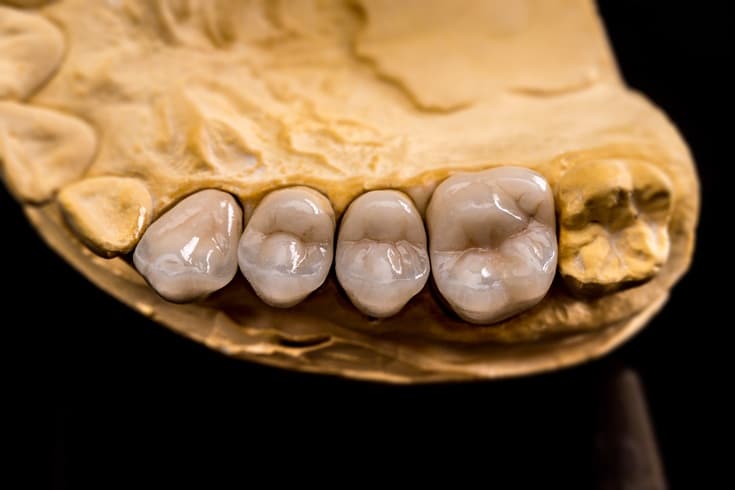
A dental crown is a type of dental restoration used to cover or cap a damaged tooth. It is designed to restore the tooth’s shape, size, strength, and appearance while providing protection and support.
Dental crowns are commonly made from materials such as porcelain, ceramic, metal alloys, or a combination of these materials. They are custom-made to fit over the prepared tooth structure and can be color-matched to blend seamlessly with your natural teeth.
The process of getting a dental crown typically involves two visits to your dentist. During the first visit, the dentist will prepare the tooth by removing any decay or damage and shaping it to accommodate the crown. An impression of the prepared tooth will then be taken for fabrication purposes.
In between visits, a temporary crown may be placed over the prepared tooth for protection. Once your permanent crown is ready, usually within two weeks, you’ll return to have it cemented into place.
Dental crowns can effectively restore teeth that have significant decay or damage, cracked or broken teeth, and severely worn-down teeth, and even improve cosmetic appearance by covering misshapen or discolored teeth.
It’s important to note that taking proper care of your dental crowns through regular brushing and flossing, along with routine visits to your dentist, can help ensure their longevity and overall oral health maintenance.
7 Essential Steps to Deal with a Situation When Your Dental Crowns Break
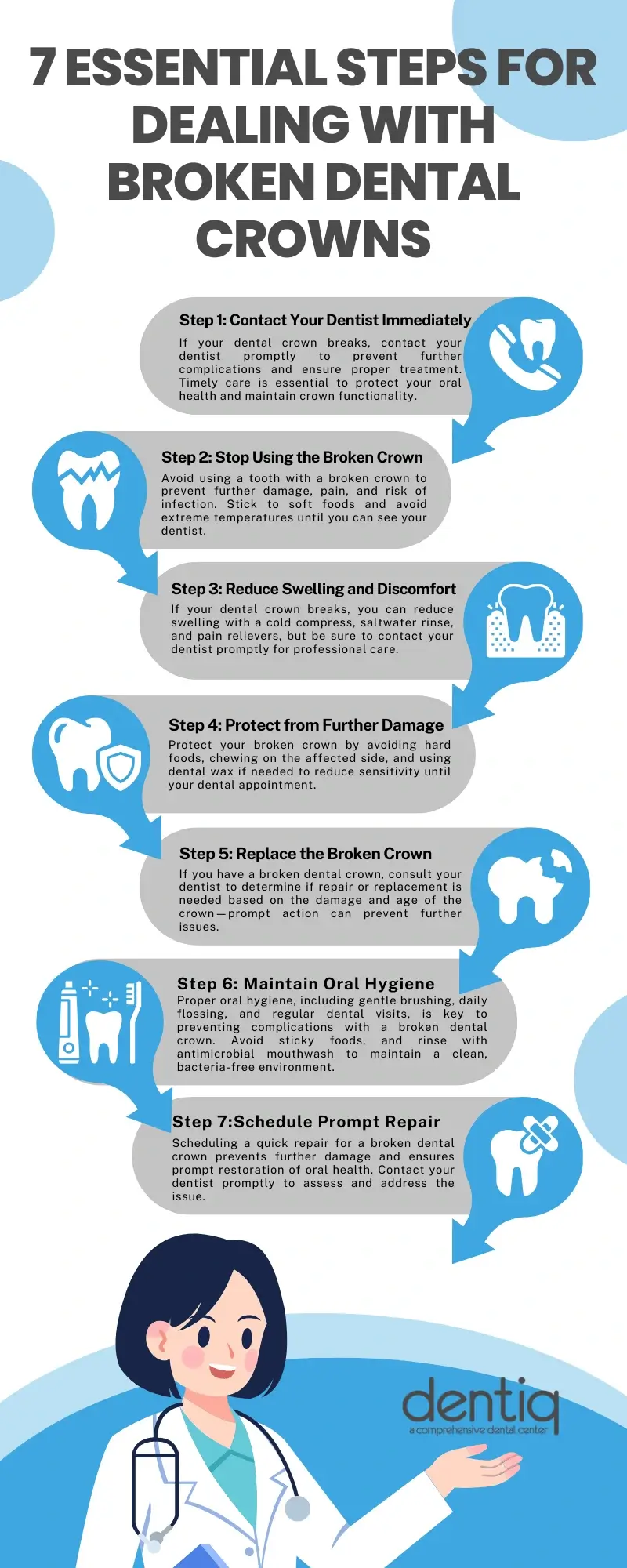
Check out these seven things you can do if your dental crown breaks:
Step 1: Contact Your Dentist Immediately
If you’ve experienced a broken dental crown, the first and most crucial step is to contact your dentist right away. Dental crowns are designed to restore the strength and functionality of damaged teeth, so when they break or become loose, it’s essential to seek professional help.
By reaching out to your dentist promptly, you can schedule an appointment for them to assess the situation and provide necessary treatment. Remember, only a qualified dental professional has the expertise and tools needed to address a broken crown properly.
Delaying or ignoring this step can lead to further complications such as tooth sensitivity, pain, or even infection. So don’t hesitate – pick up that phone and make that call!
Your dentist will evaluate the extent of damage and recommend appropriate solutions tailored specifically for your case. They may suggest repairing the existing crown if it’s salvageable or replacing it altogether if necessary.
Remember, addressing a broken dental crown early on not only helps prevent additional discomfort but also protects your oral health in the long run. So take action immediately by contacting your trusted dentist in Houston!
Step 2: Stop Using the Tooth with the Broken Crown
If you’re in a condition when your dental crowns break, it’s crucial to avoid using the affected tooth until it can be properly repaired. Continuing to use a tooth with a broken crown can lead to further damage and discomfort.
Using the tooth with a broken crown can cause additional stress on the remaining structure, potentially leading to fractures or even complete loss of the tooth. Additionally, food particles and bacteria can easily get trapped in any exposed areas, increasing your risk of infection.
To protect your broken crown and prevent further harm, it is essential to refrain from chewing or biting down on hard foods or objects. Stick to soft foods that require minimal pressure when eating.
If necessary, you may also want to consider avoiding hot or cold beverages as extreme temperatures could exacerbate any sensitivity or pain associated with the broken crown.
Remember, stopping the use of the affected tooth is temporary until you can see your dentist for proper evaluation and treatment options. By taking this precautionary step, you are minimizing potential complications and ensuring better long-term oral health.
Step 3: Reduce Swelling and Discomfort
When your dental crown breaks, it can cause swelling and discomfort in the affected area. This can make it difficult to eat, speak, or even sleep comfortably. To alleviate these symptoms, there are a few things you can do.
Applying a cold compress to the outside of your cheek near the broken crown can help reduce swelling. Simply wrap some ice cubes in a towel and hold it against the affected area for about 10 minutes at a time.
Additionally, taking over-the-counter pain relievers like ibuprofen can help manage any discomfort you may be experiencing. Be sure to follow the recommended dosage instructions and consult with your dentist if you have any concerns.
Another way to reduce swelling is by rinsing your mouth with a warm saltwater solution several times a day. Mix half a teaspoon of salt in eight ounces of warm water. Swish it around gently for about 30 seconds before spitting it out.
Remember that while these measures may provide temporary relief, they are not substitutes for professional dental care. It’s important to contact your dentist as soon as possible so they can properly assess and address the issue with your broken crown.
Step 4: Protect the Tooth from Further Damage
Once you’ve contacted your dentist and stopped using the tooth with the broken crown, it’s important to take steps to protect it from further damage. This will help prevent any additional pain or complications while you wait for your appointment.
One way to protect the tooth is by avoiding hard or sticky foods that could potentially cause more harm. Opt for softer options that won’t put excess pressure on the tooth.
In addition, try to avoid chewing on the side of your mouth where the broken crown is located. This can help minimize any potential movement or irritation that could worsen the situation.
If you’re experiencing sensitivity in the area, consider using a dental wax or temporary dental cement available at most drugstores. These products can provide a protective barrier and alleviate discomfort until you can see your dentist.
Furthermore, be mindful of how you brush and floss around the affected tooth. Use gentle motions and avoid putting excessive pressure on it.
With these precautionary measures, you can safeguard your tooth against further damage until you can have it properly repaired by your dentist in Houston.
Step 5: Consider Replacing the Broken Crown
Once you have contacted your dentist and assessed the situation, it’s time to consider replacing the broken crown. While dentists can solve some minor issues by simply repairing the existing crown, in many cases, replacement is necessary.
Replacing a broken crown involves removing the damaged one and creating a new custom-made crown that fits perfectly over your tooth. Your dentist will take impressions of your teeth to ensure an accurate fit and color match for the new crown.
One important factor to consider when deciding whether to replace or repair a broken crown is the extent of damage. If only a small portion of the crown has chipped off, repair may be possible. However, if there are significant cracks or fractures, replacement is likely required.
Another consideration is age. Dental crowns generally last between 10-15 years with proper care. If your broken crown is nearing its lifespan or if it was already old, replacing it might be more practical in terms of longevity and durability.
It’s important to consult with your dentist about all available options for replacing your broken dental crown. They will guide you through the process and help you make an informed decision based on your specific circumstances.
Remember that prompt action is crucial when dealing with a broken dental crown as delaying treatment can lead to further complications down the line. So don’t hesitate – reach out to your trusted dentist today!
Step 6: Maintain Oral Hygiene
Taking care of your oral hygiene is crucial, especially when dealing with a broken dental crown. Keeping the area clean and free from bacteria will help prevent any further complications. Here are some essential tips for maintaining good oral hygiene:
1. Brush twice a day: Make sure to brush your teeth at least twice a day using a soft-bristled toothbrush. Be gentle around the broken crown area while brushing.
2. Floss daily: It’s important to floss every day to remove plaque and food particles that can accumulate around the damaged crown.
3. Rinse with mouthwash: Use an antimicrobial mouthwash to rinse out your mouth after brushing and flossing. This helps kill bacteria and freshens your breath.
4. Avoid sticky or hard foods: Stay away from sticky candies, chewing gum, or hard foods that could potentially damage the broken crown or surrounding teeth.
5. Schedule regular dental check-ups: Regular visits to your dentist in Houston will ensure that any issues related to the broken crown are addressed promptly.
Remember, maintaining proper oral hygiene not only promotes overall dental health but also aids in preventing future problems associated with broken dental crowns.
Step 7:Schedule Prompt Repair
Scheduling a prompt repair for your broken dental crown is crucial to ensure that the issue gets resolved quickly and efficiently. Delaying the repair can lead to further complications and potential damage to your tooth.
When you contact your dentist, they will likely recommend an appointment for the repair as soon as possible. This may involve removing the broken crown, assessing any underlying issues, and determining whether a new crown is necessary.
During the appointment, your dentist will carefully examine the tooth and discuss treatment options with you. They may take impressions or digital scans of your teeth to create a custom-fit replacement crown. In some cases, they may be able to reattach or repair the existing crown if it is still in good condition.
Once the repairs are complete, it’s important to follow any post-treatment instructions provided by your dentist. This may include avoiding certain foods or activities that could put a strain on the newly repaired crown.
Remember, scheduling prompt repair for your broken dental crowns ensures that you maintain optimal oral health while preventing any further damage or discomfort. Don’t delay – reach out to your dentist today!
In wrapping up this comprehensive guide on dealing with broken dental crowns, it is crucial to emphasize the importance of taking immediate action when faced with a broken crown. Remember, your dentist should always be your first point of contact in such situations.
Stopping the use of the tooth with the broken crown is vital to prevent further damage and potential pain or discomfort. Additionally, reducing swelling and managing any discomfort can help alleviate immediate symptoms.
Protecting the tooth from further harm is essential until you can get professional assistance. This can involve avoiding hard or sticky foods and being cautious while brushing.
Replacing the broken crown may be necessary, depending on its condition and longevity. Your dentist will assess whether a new crown or an alternative treatment option is best for you.
FAQs
Q: How long do dental crowns typically last?
A: Dental crowns can last anywhere from 5 to 15 years, depending on various factors such as oral hygiene practices, habits like teeth grinding, and the material used for the crown.
Q: Are there any alternatives to dental crowns?
A: Yes, there are alternative treatments for damaged or broken teeth, including dental veneers and dental bonding. However, the best option will depend on the specific condition of your tooth and your dentist’s recommendation.
Q: Can I eat normally with a temporary crown?
A: It is important to be cautious while eating with a temporary crown. Avoid chewing hard or sticky foods that could dislodge or damage the temporary restoration. Stick to softer foods until you have a permanent crown placed.
Q: Will my insurance cover the cost of replacing a broken dental crown?
A: Dental insurance coverage varies greatly from one plan to another. While some plans may cover all or part of the cost of replacing a broken crown, others may not provide any coverage. It is best to check with your insurance provider directly.
Q: How much does it cost to replace a broken dental crown?
A: The cost of replacing a broken dental crown can vary depending on several factors. These factors can include location, the type of material used for the new crown, the complexity of the procedure required, and whether additional treatment, like root canal therapy, is necessary. It is advisable to consult with your dentist for an accurate estimate.
Share this Post