20% Off All-On-4

5 Things You Need To Know Before Getting Porcelain Veneers
March 31, 2023
/
Are you tired of hiding your smile behind closed lips? Porcelain veneers may be the solution you’ve been searching for! But before jumping in, there are some important things to know. From the cost to the maintenance, we’ve got all the essential information you need to make an informed decision about getting porcelain veneers. Don’t let a lack of knowledge hold you back from achieving a radiant smile – read on to discover five key tips before taking the plunge!
What are Porcelain Veneers?
Porcelain veneers are thin, tooth-colored shells that are bonded to the front surfaces of your teeth. They can be used to improve the appearance of your smile by correcting such problems as teeth that are discolored, chipped, or worn down. Porcelain veneers can also be used to close gaps between teeth or to change the shape or length of your teeth.
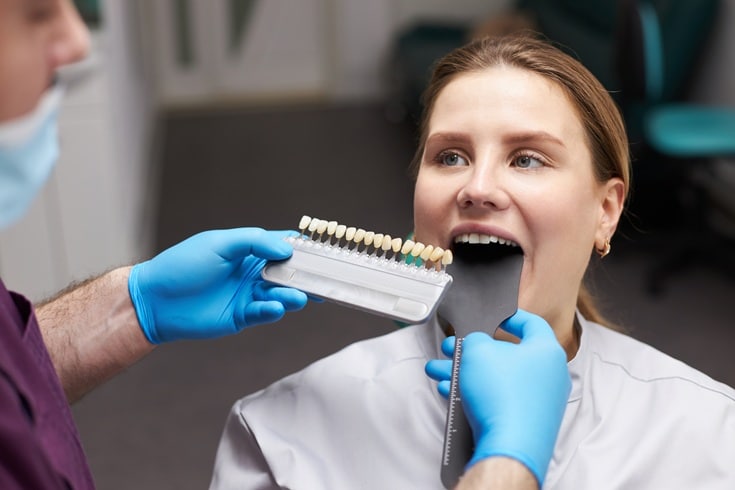
The first step in getting porcelain veneers is to consult with your dentist to see if they are right for you. Your dentist will examine your teeth and take X-rays and impressions (molds) of them. He or she will also assess your bite and evaluate how healthy your gums are. This information will be used to develop a treatment plan that is tailored specifically for you.
Source: Teeth Talk Girl
Things You Need To Know Before Getting Veneers
Porcelain veneers are a popular cosmetic dental procedure that can give you a beautiful, white smile.
If you are considering getting porcelain veneers, there are a few things you should know before making your decision. Porcelain veneers are a popular cosmetic dental procedure that can give you a beautiful, white smile. However, they are not right for everyone. Here are a few things to consider before getting porcelain veneers:
-
What Are Porcelain Veneers Exactly?
Porcelain veneers are thin shells of ceramic material that are bonded to the front surfaces of your teeth. They can be used to improve the appearance of your smile by changing the color, shape, size, or length of your teeth. Veneers are an ideal option for people who have stained, chipped, misshapen, or slightly crooked teeth.
The ceramic used in porcelain veneers are very strong and durable. It is also resistant to staining and can be made to match the color of your natural teeth. Porcelain veneers are usually not as visible as other types of dental restoration because they mimic the translucency of natural tooth enamel.
Getting porcelain veneers usually requires two visits to the dentist. During the first visit, your dentist will prepare your teeth for veneers by removing a small amount of enamel from their front surfaces. This is necessary to create room for the added thickness of the veneer. Impressions of your teeth will also be taken so that custom-made veneers can be made in a dental laboratory.
At your second appointment, which will usually be scheduled about two weeks after the first, your custom-made veneers will be bonded to your teeth using a special dental adhesive. Once in place, porcelain veneers can last for many years with proper care.
-
Who Is a Good Candidate to Get Porcelain Veneers on Their Teeth?
There are many reasons why people may want to get porcelain veneers. Some people may want to improve the appearance of their smile, while others may want to correct dental issues such as misshapen teeth, gaps between teeth, or stained teeth. Porcelain veneers can also be used to protect the surface of the teeth from further damage.
A good candidate for porcelain veneers is someone who is in generally good oral health and does not have any major dental problems. The ideal candidate for porcelain veneers should also have enough enamel on their teeth to support the veneers. Porcelain veneers are not typically recommended for people with bruxism (teeth grinding) or those who have very sensitive teeth.
If you are considering porcelain veneers, it is important to consult with a qualified dentist to see if they are right for you. The dentist will be able to assess your individual needs and determine whether or not porcelain veneers are the best option for you.
You Can Still Keep Your Natural Teeth: It is a common misconception that you need to get rid of your natural teeth to get porcelain veneers. This is not the case! You can keep your natural teeth when getting veneers. Many people choose to get veneers on just their front teeth while keeping their back teeth natural.
There are a few things to keep in mind if you decide to keep your natural teeth when getting veneers. First, your dentist will need to prepare your natural teeth for the veneers. This usually involves removing a small amount of enamel from the front surfaces of your teeth. Second, you will need to be extra diligent in taking care of your natural teeth, as they will be more susceptible to decay and damage without the protective layer of enamel.
Finally, it is important to consult with an experienced cosmetic dentist before making any decisions about getting veneers, as they will be able to advise you on whether or not keeping your natural teeth is the best option for you.
-
Times When Veneers Might Not Work
Veneers are an extremely popular cosmetic dental procedure, and for good reason – they can completely transform your smile. However, veneers are not right for everyone, and there are a few situations where they might not be the best option. Here are a few times when veneers might not work:
If you have very sensitive teeth, veneers might not be the right option for you. The process of getting veneers requires that your dentist remove a thin layer of enamel from your natural teeth. This can leave your teeth feeling more sensitive than usual. If you have very sensitive teeth to begin with, this extra sensitivity might be too much to handle.
If you have gum disease, you might not be able to get veneers. Gum disease is an infection of the gums that can damage the bone around your teeth. If you have gum disease, your dentist will likely recommend treatment to get rid of the infection before considering veneers.
If you grind your teeth (bruxism), veneers might not be the best option for you either. Bruxism can cause premature wear and tear on veneers, making them more likely to break or chip over time. If you Grind your teeth at night, your dentist may recommend that you wear a mouthguard to protect your veneers (and your natural teeth) while you sleep.
-
Process for Getting Veneers
The process for getting porcelain veneers is relatively simple. The first step is to consult with a cosmetic dentist to see if you are a good candidate for the procedure. If you are, the next step is to have your teeth cleaned and prepared for the veneers. Once your teeth are ready, the veneers will be custom-made to fit your mouth and then bonded to your teeth. The entire process usually takes two to three visits to the dentist and can last anywhere from 10-15 years with proper care.
-
Recovery and Post Veneer Care
After your veneers are placed, it’s normal to have some sensitivity to hot and cold temperatures for a few days. This usually goes away within a week or two. To help with any discomfort, we recommend taking over-the-counter pain medication like ibuprofen. You may also want to avoid hard and crunchy foods for a few days while your teeth adjust.
It’s important to take care of your veneers just like you would your natural teeth. That means brushing twice a day and flossing once a day. Be sure to use nonabrasive toothpaste so you don’t damage the veneers. You should also see your dentist regularly for checkups and cleanings.
If you are considering getting porcelain veneers, there are a few things you should know before making your decision. Porcelain veneers are a type of dental prosthetic that can improve the appearance of your teeth. They are made from thin sheets of porcelain that are custom-made to fit over your existing teeth.
Porcelain veneers are an irreversible procedure, so it is important to be sure that you are 100% committed to this decision before moving forward. The good news is that porcelain veneers can last for many years with proper care.
Another thing to keep in mind is that porcelain veneers may not be covered by your dental insurance. Be sure to check with your insurer to see if they will cover the cost of this procedure.
Lastly, it is important to find a reputable and experienced dentist who specializes in this type of work. Do your research and ask around for recommendations before making your final decision.
Share this Post