

Your Top Dentist in Houston, TX
Comprehensive Dental Care in Houston, TX at Dentiq Dentistry
.avif)
.avif)
.avif)
.avif)
.avif)
1270+


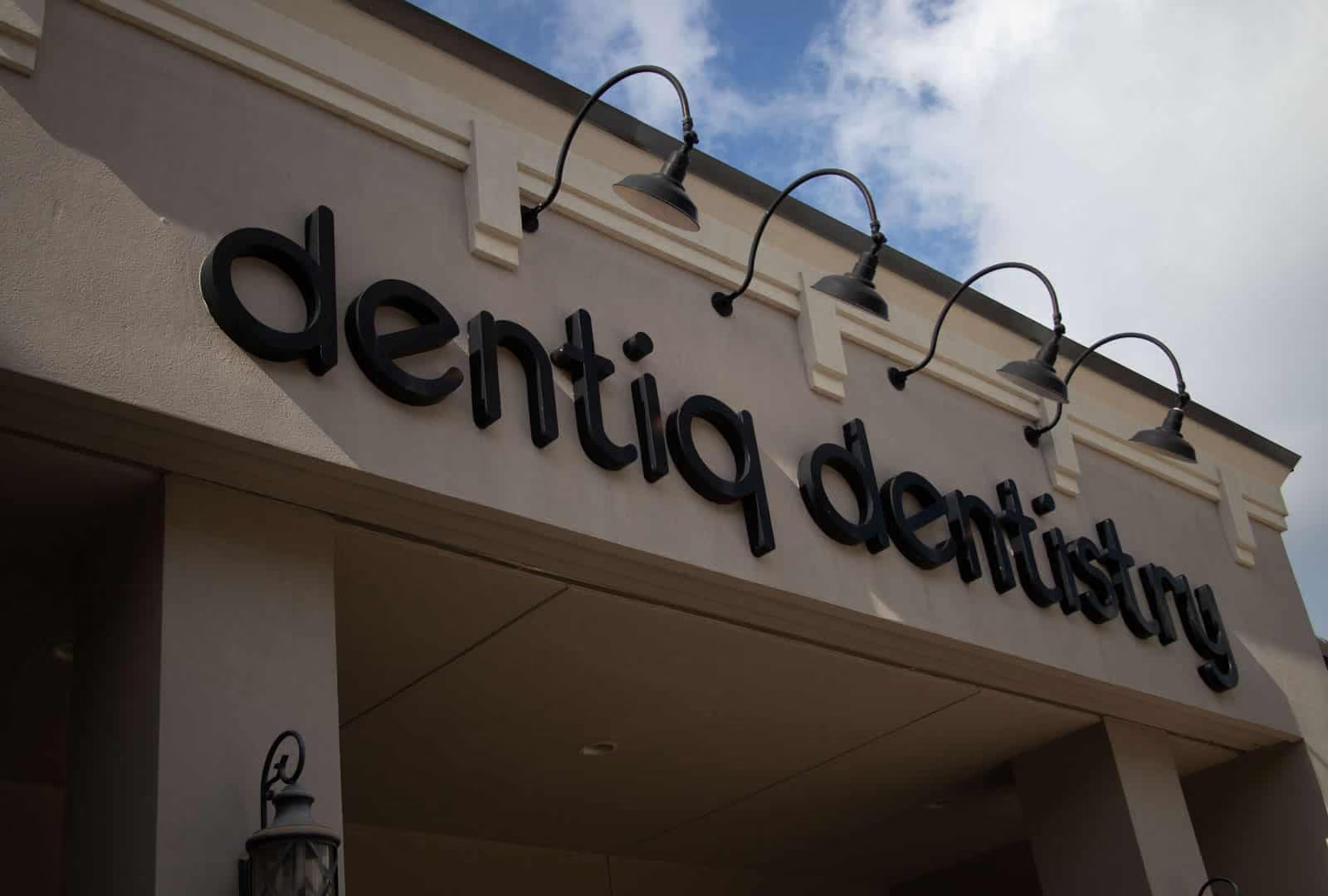
Why Choose Dentiq Dentistry?
The Dentiq Difference
Advanced Dental Care in Houston, All Under One Roof
At Dentiq Dentistry Houston, the whole family is treated in one place, from a routine check-up to a full-mouth rehabilitation. Dr. Sista, Dr. Tag, and Dr. Stergar cover every stage of care themselves, so you are not sent across town for the next step.
The same goes for the lab. A crown is usually made off-site, which is why it takes two visits and a temporary in between. With CEREC and an on-site lab, we do same-day crowns instead: designed, milled, and seated in a single appointment, with a closer fit and less time in the chair. And dentistry is not just what happens in the chair. We answer your questions before treatment begins, offer sedation for patients who need it, and stay with you from the first phone call through your aftercare.
Why patients choose Dentiq Dentistry Houston:
- Same-day crowns from our on-site CEREC lab
- Three dentists covering general, cosmetic, and implant care in one office
- Sedation options, from nitrous to IV, for anxious patients
- A savings plan for patients without insurance
- A team that speaks English, Spanish, Farsi, and Haitian Creole
About us
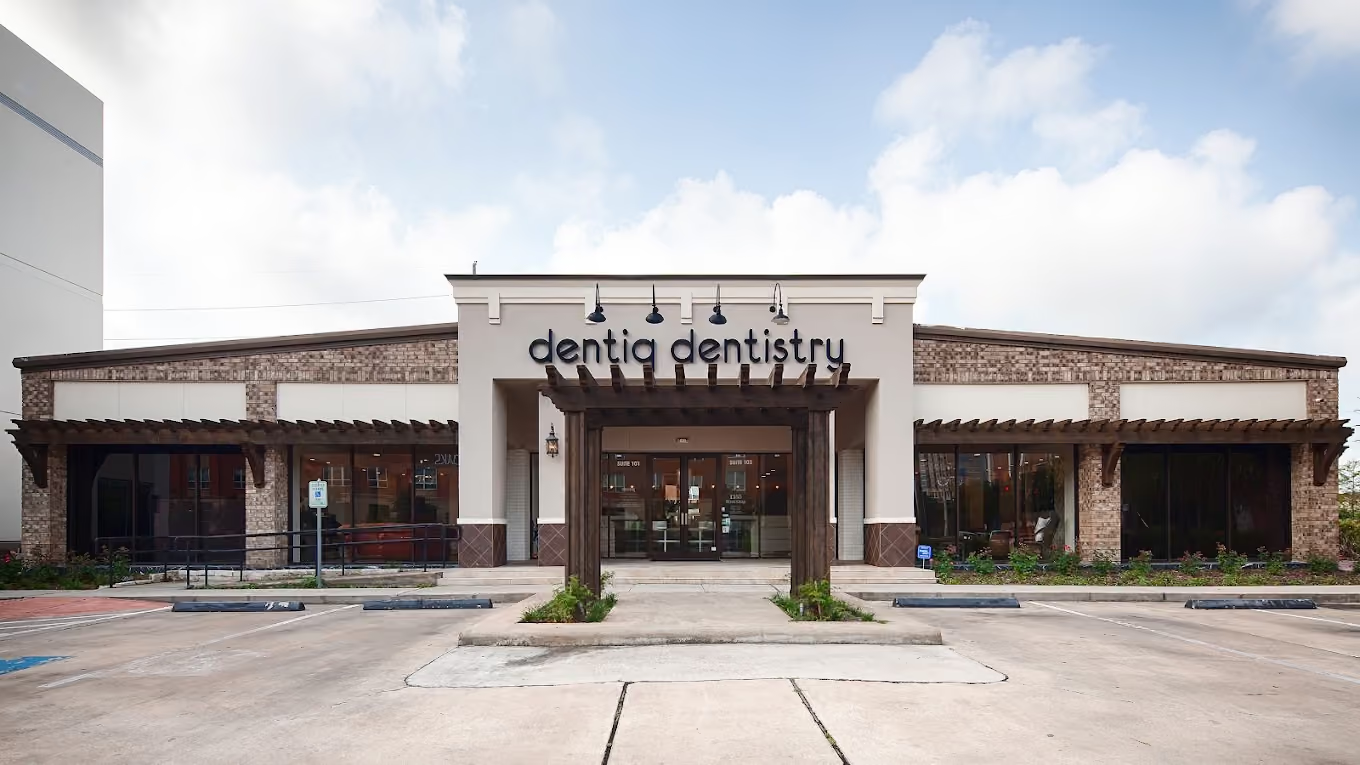
Meet Your Dental Team
Dentists Who Make
You Feel At Home
At Dentiq Dentistry Houston, our doctors combine advanced training in implant, cosmetic, and restorative dentistry with a genuinely warm chairside manner. They take the time to listen, explain your options in plain language, and build a plan that fits your goals, your comfort, and your budget.
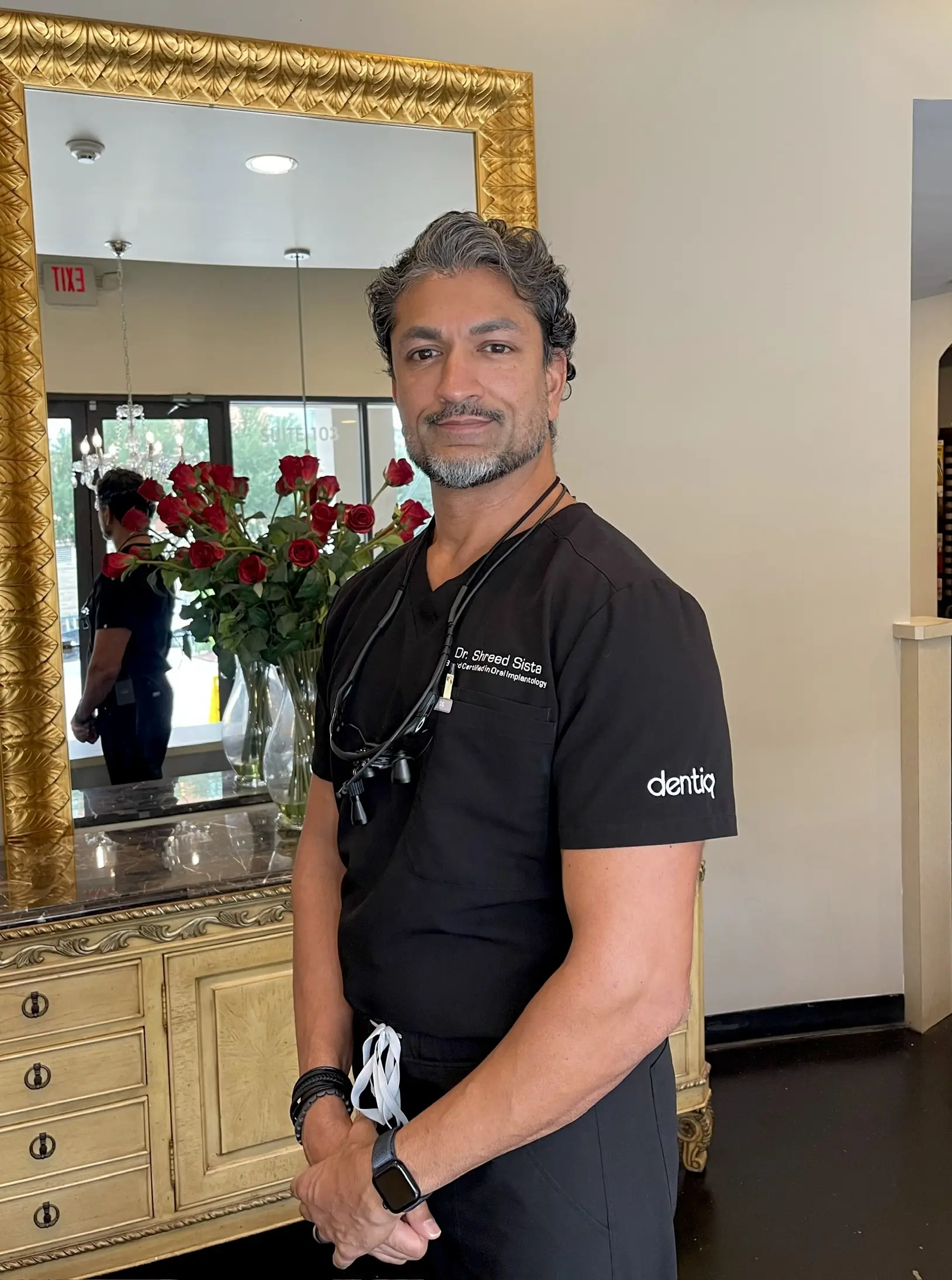
Dr. Shreed Sista, DDS
A Texas native who grew up in Sugar Land, Dr. Sista earned his Doctor of Dental Surgery degree from the University of Texas Health Science Center. He believes oral medicine is always evolving, and he has completed extensive post-graduate training in both the surgical and restorative sides of implant dentistry to stay at the forefront of the field.
.webp)
Dr. Sara Tag, DMD
Dr. Tag earned her Bachelor of Science in Biology at the University of Houston before receiving her Doctorate of Dental Medicine from LECOM School of Dental Medicine in Florida. She spent her final year treating patients in an outreach hospital serving rural communities, and stayed active in the American Student Dental Association throughout her training.
.webp)
Dr. Jared Stergar, DDS
Born and raised in Cleveland, Dr. Stergar studied Chemistry at Cleveland State University while swimming for the varsity team and winning two conference titles. He earned his Doctor of Dental Surgery degree at the University of Texas Health Science Center, where he was honored with the American College of Dentists Outstanding Student Leader award.




Our mission is to care for Houston families through every stage of life, with the skill to handle complex work and the patience to explain it in plain language.
Dental Implants
A Long-Term Option for Replacing Missing Teeth
A dental implant replaces both the root and the crown, giving you a tooth that looks, feels, and functions like the one you lost.
Patients choose dental implants for:
- Prevention of Bone Loss
- Natural Look and Feel
- Long-Lasting and Reliable
- Eating and Speaking With Confidence
All-On-X Implants
Same-Day Full-Arch Teeth for Eligible Patients
All-On-X restores an entire arch of teeth on as few as four to six implants, often with a fixed set of teeth placed the very same day.
All-On-X is a strong fit when you want:
- Full Mouth Rehabilitation
- A Seamless, Natural-Looking Smile
- Teeth That Stay Fixed In Place
- Freedom From Removable Dentures
Experience You Can Trust
Featured Dental Services in Houston
Wisdom Teeth Removal
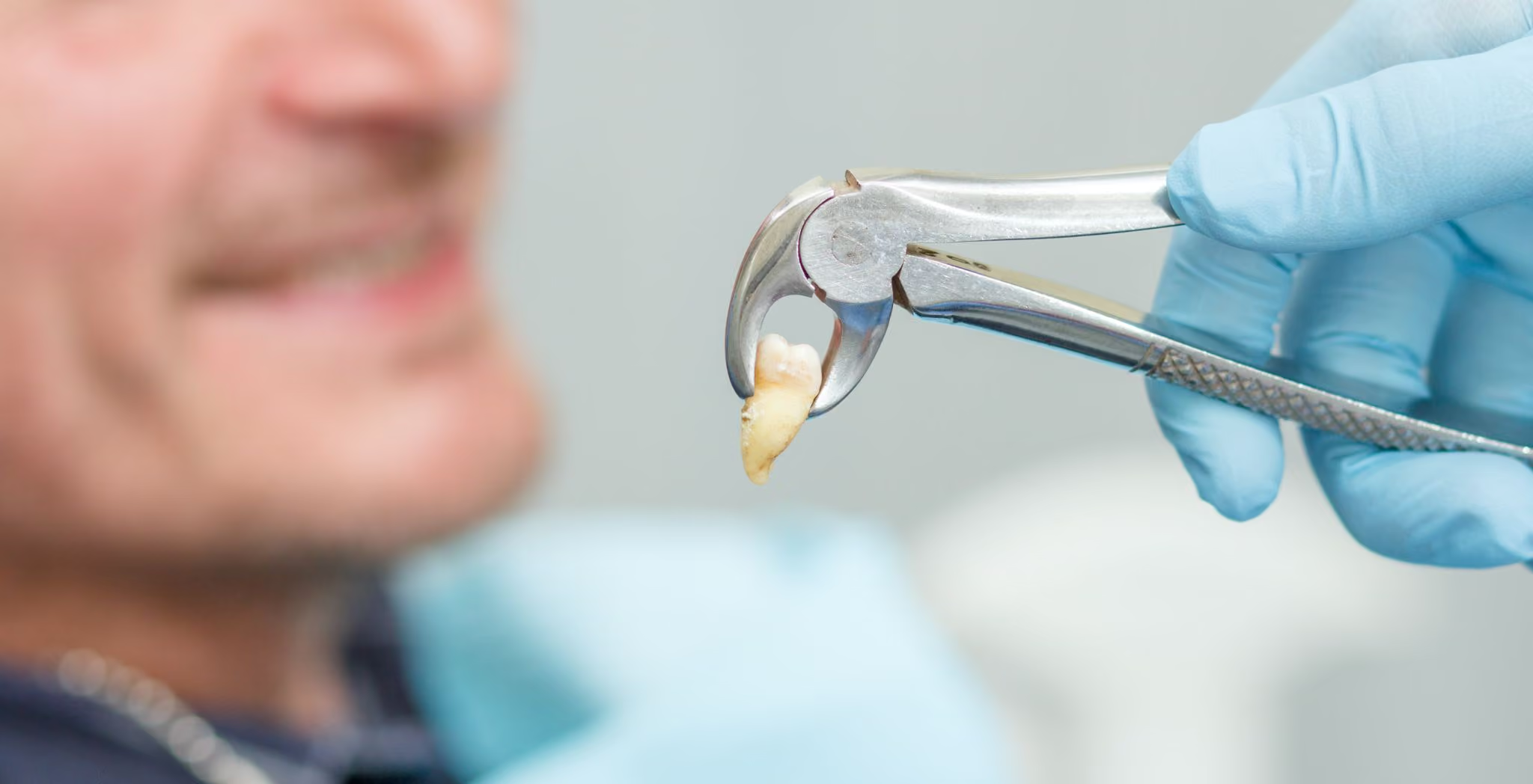
Wisdom teeth often arrive crowded or impacted, which can lead to pain, infection, and shifting teeth. Removing them early keeps the rest of your smile healthy and comfortable.
Learn More
Veneers

Porcelain veneers cover chips, gaps, worn edges, and stubborn staining with thin custom shells. The result is a brighter, more even smile that still looks entirely like you.
Learn More
Invisalign®

Invisalign straightens crowded or gapped teeth with clear, removable aligners. There are no metal brackets, so you can eat what you like and smile freely throughout treatment.
Learn More
IV Sedation

IV sedation lets anxious patients relax deeply while we work, and makes longer visits feel like they pass in minutes. You stay safely monitored from start to finish.
Learn More
Social Reviews
What Our Patients Say
Our patients are the best measure of the care we provide. Read what they have to say about their visits, their results, and the team behind every smile.
Ready to schedule your visit?
Experience comfortable, high-quality dental care at Dentiq Dentistry. We proudly serve patients in Houston and the surrounding communities, helping you smile with confidence every day.
Testimonials
Real Patients. Real Stories
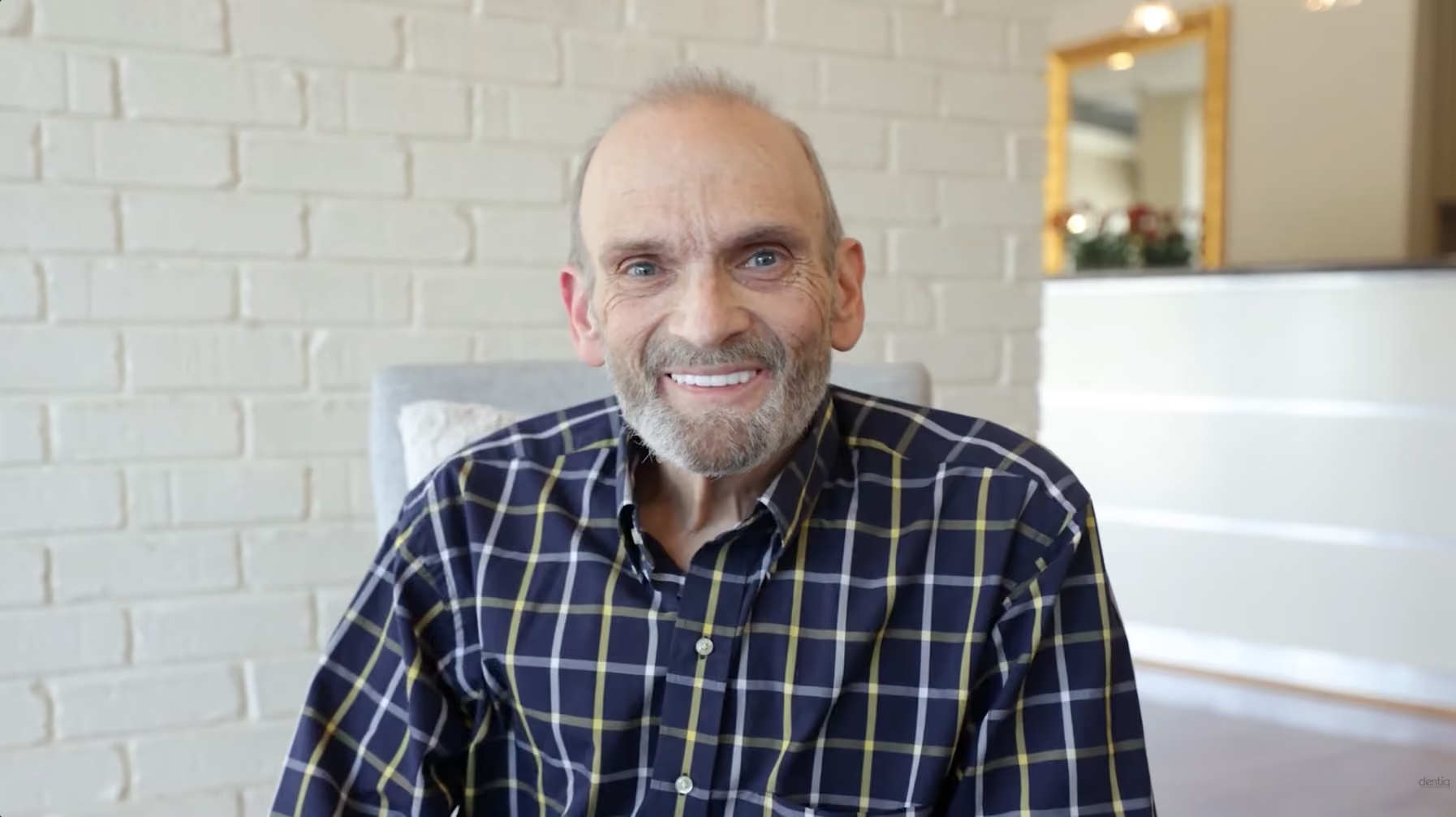
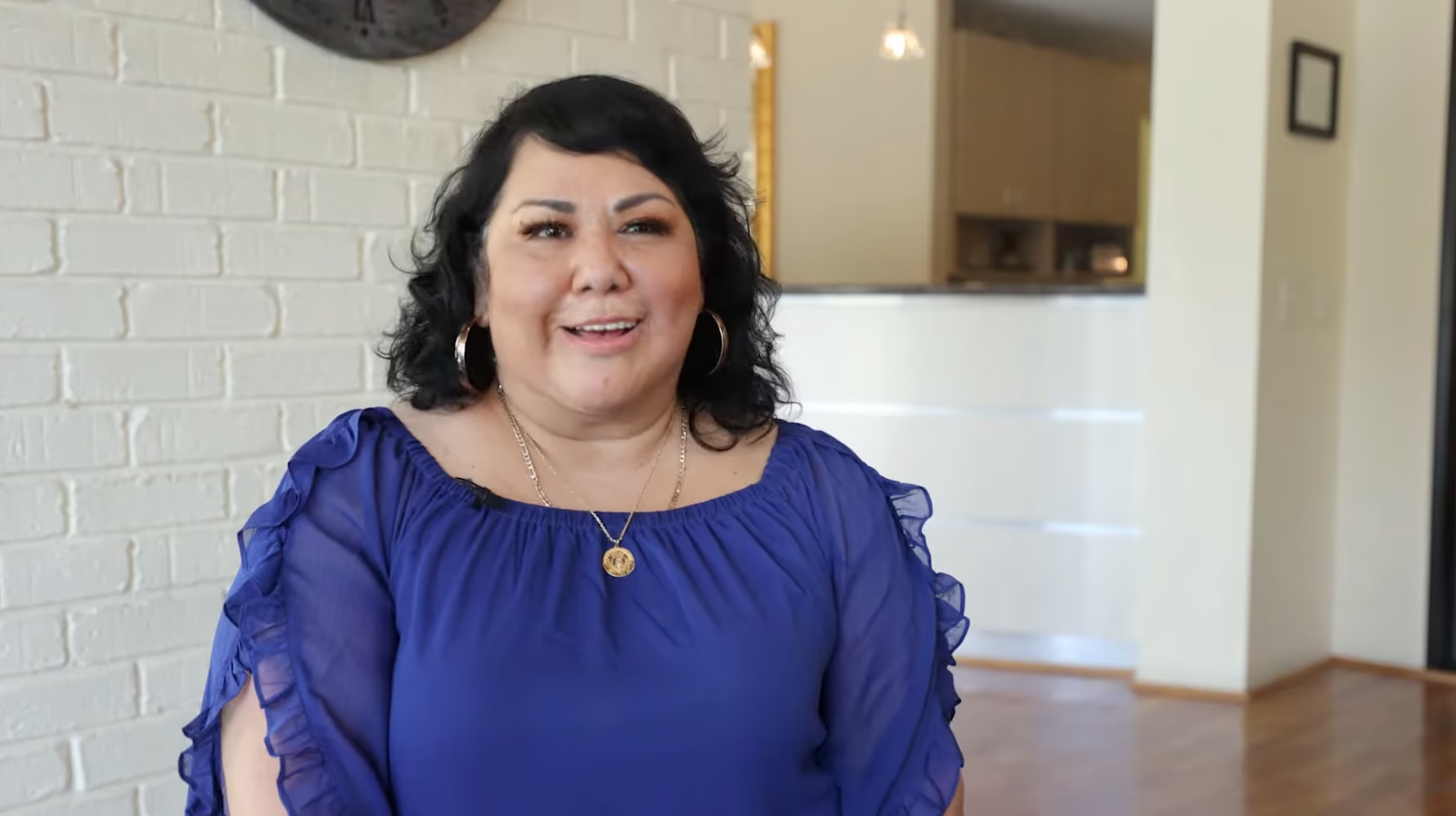

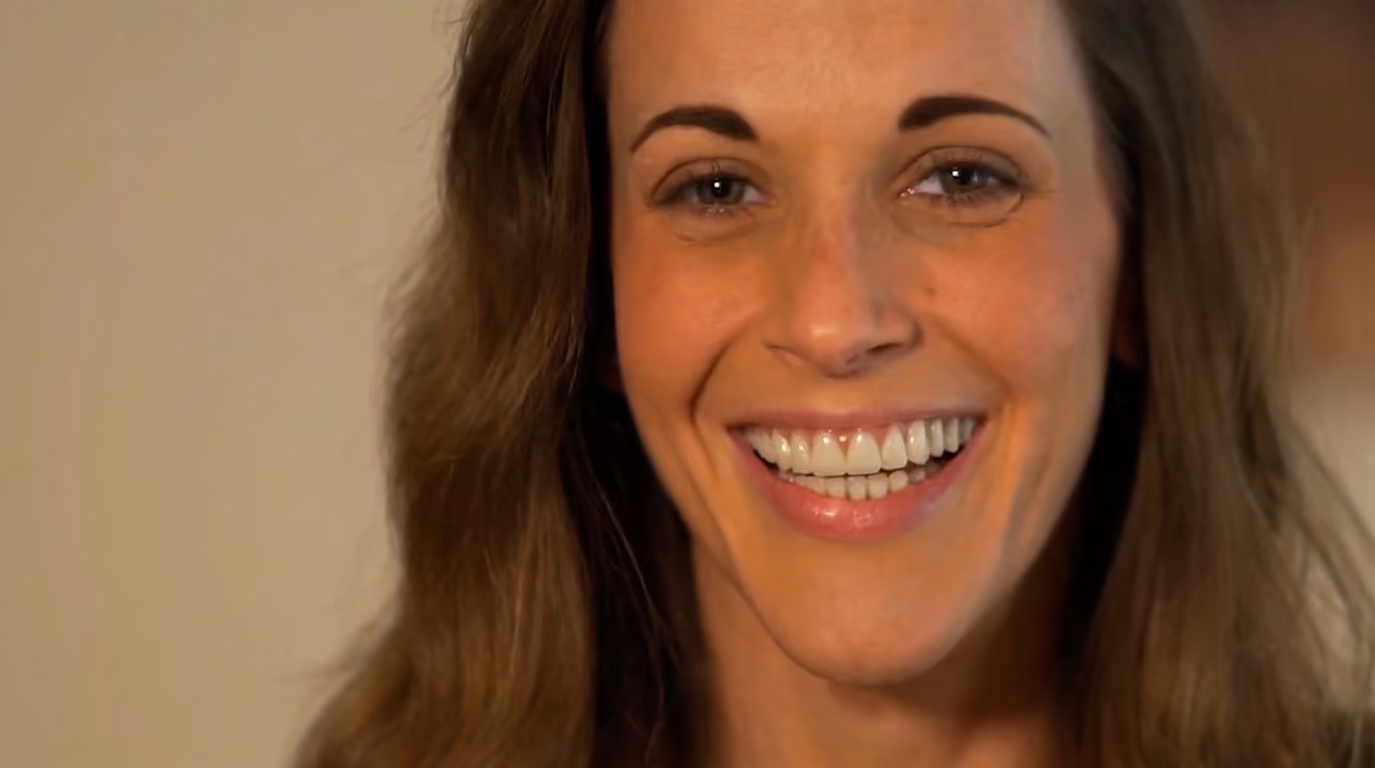
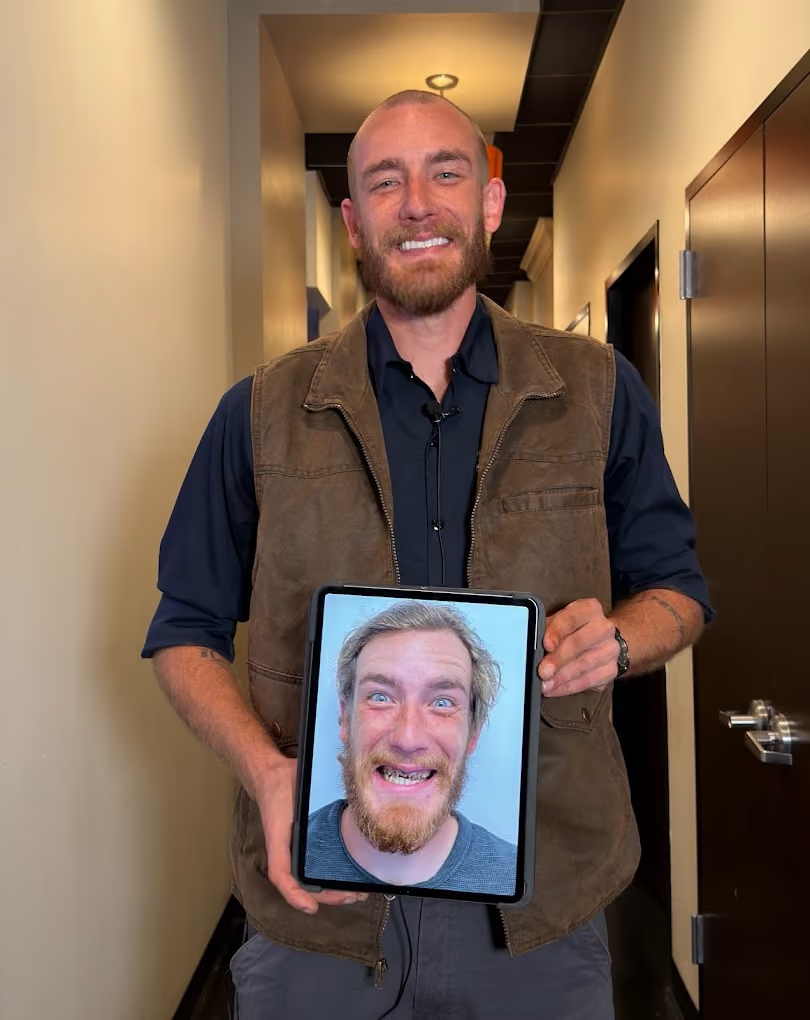
Nothing tells the story better than the people who lived it. Take a moment to hear how our patients regained their smiles, their comfort, and their confidence at Dentiq Dentistry Houston.
Watch More Patient Stories

Resources
Here For All Your Needs
From your first phone call to the moment you head home, we make your visit feel easy and welcoming. Plan on about an hour: we complete a full exam and X-rays to get a clear picture of your health, then build a cleaning and care plan designed specifically for you.
Learn More
No insurance, no problem. The Dentiq Savings Plan makes quality care affordable without a policy, and cash or self-pay patients and senior citizens each receive a 10% discount. Ask our team which option saves you the most.
See Details
We work with many PPO dental plans, including Blue Cross Blue Shield, Aetna, United Healthcare, MetLife, Delta Dental, Humana, Guardian, Envolve, and Colonial Life. Give us a call and our team can review your benefits and confirm coverage details with you.
See Details
Quality dental care should fit your budget. We offer flexible financing and low-monthly-payment options through partners like CareCredit, so you can start treatment now and pay over time. Ask our team and we will help you find a plan that works for you.
Apply Now
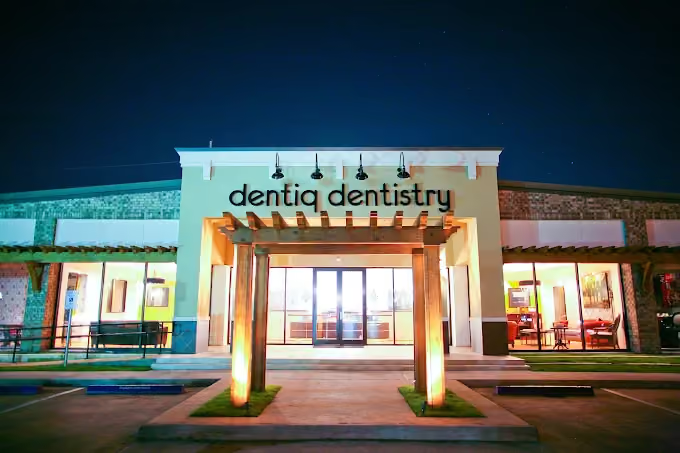
At Dentiq Dentistry Houston, we provide a full spectrum of care under one roof, from routine cleanings and fillings to dental implants, All-On-X full-arch restoration, veneers, Invisalign, and same-day crowns. With advanced technology and an in-house lab, we keep treatment precise, comfortable, and refreshingly convenient.