

Bone Grafting
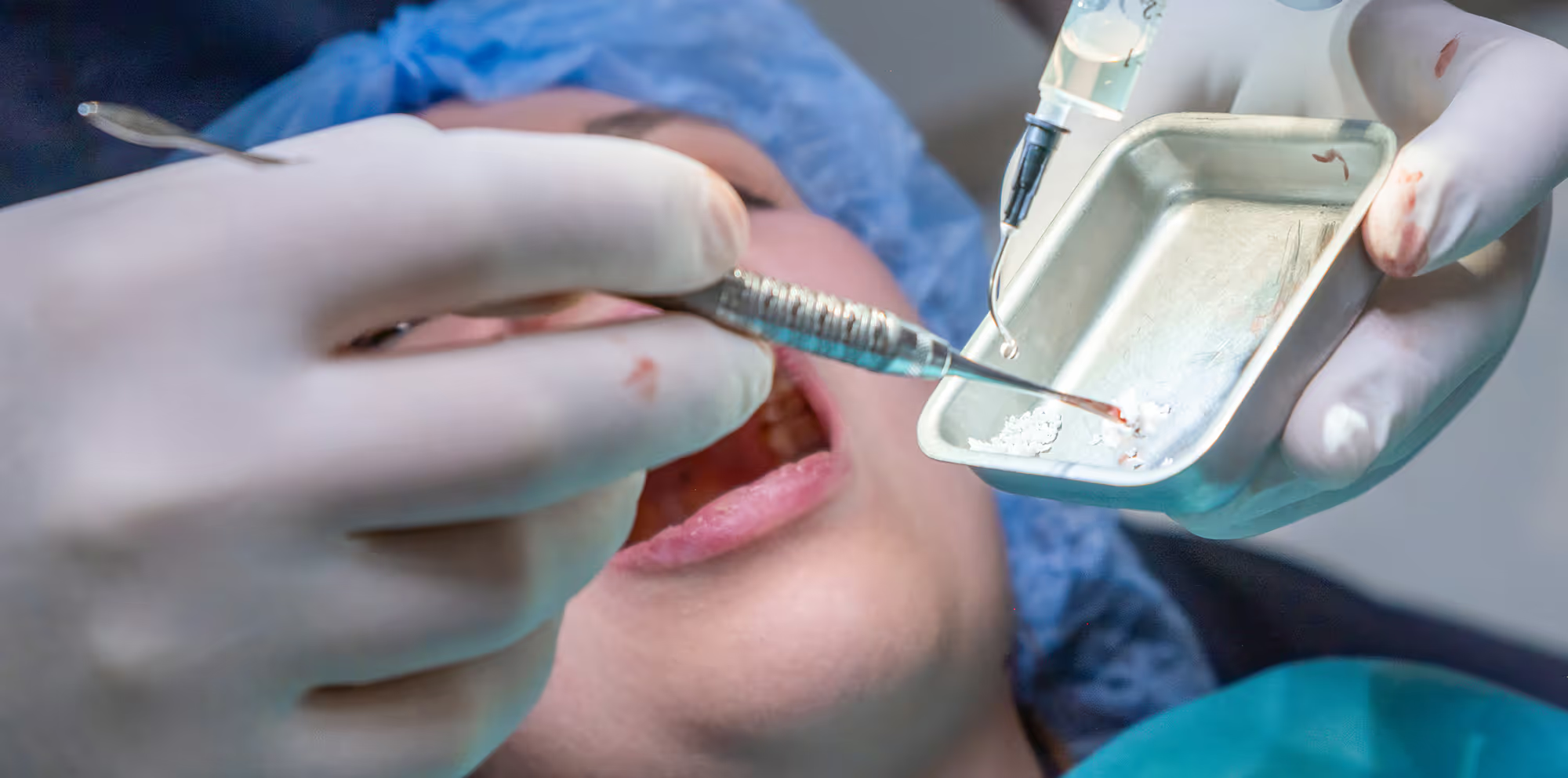
Dental Bone Grafting
in Houston, TX
Rebuild lost jawbone so implants and dentures have the stable foundation they need to last.
What Is Bone Grafting?
Building a Stronger Foundation for Implants
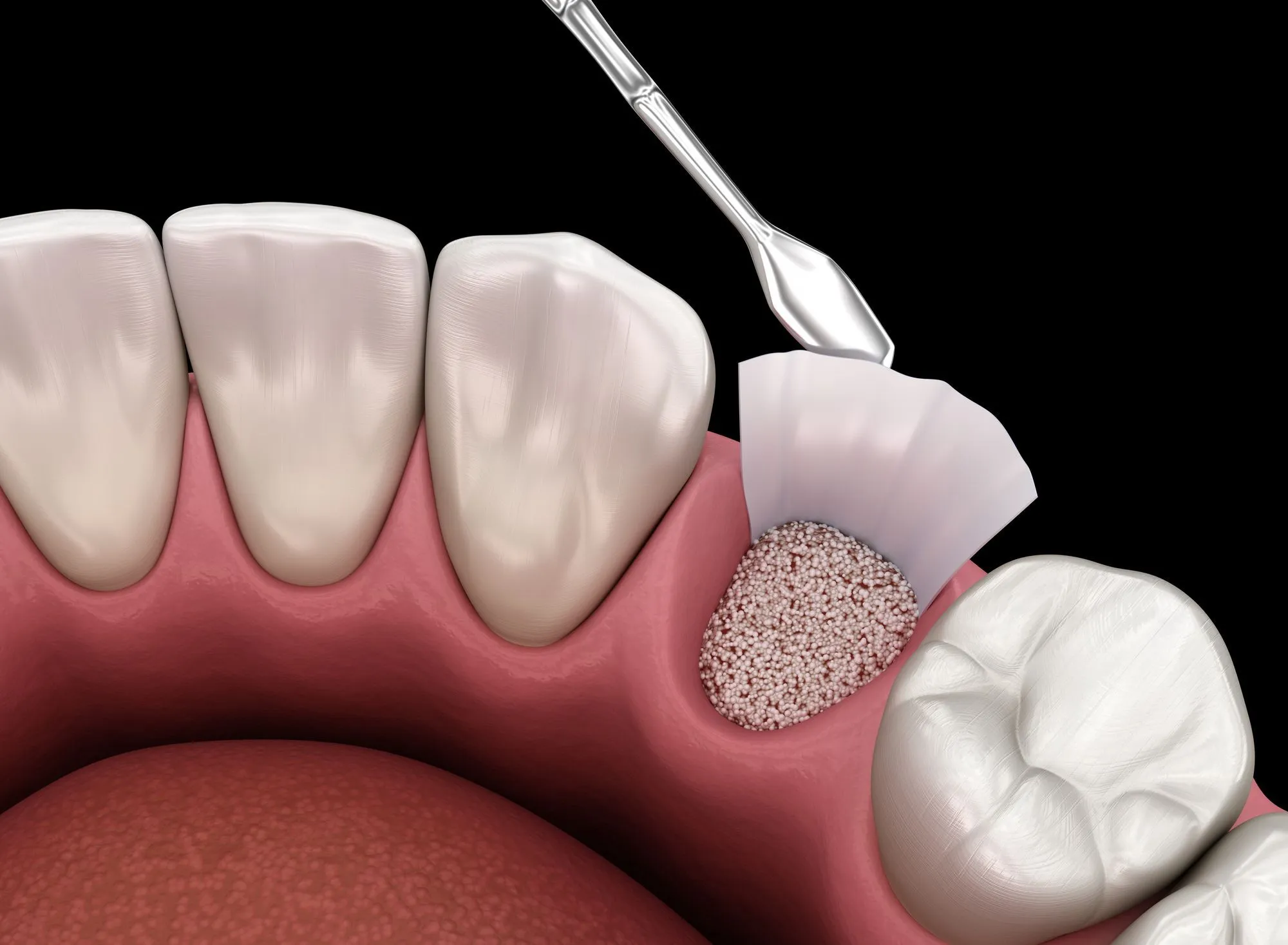
Bone grafting is a common procedure we use when the jaw has lost bone over time. This can happen after extractions, with gum disease, or when a missing tooth has been left untreated for a while. Bone naturally starts to shrink when it isn't being used.
When there isn't enough bone, it can change the shape of the face and make dental implants harder to place. Grafting rebuilds that lost support, giving your new smile a sturdy foundation and stronger, more reliable options for tooth replacement.
Call (713) 526-2904
A process built around a plan you understand

Why the foundation matters most
Why Choose Dentiq Dentistry for Bone Grafting
It's hard to know what's happening beneath the surface without the right tools. We start with a thorough exam and X-rays that act like a roadmap for your jaw, showing exactly where you need support and the best way to move forward. From there we walk through a personalized plan together.
Grafting is done right here in our office rather than referred out, and so is the implant work that follows. That means one team, one plan, and no gaps between the surgery and the restoration it's meant to support.

Social Reviews
What Our Patients Say
Our patients are the best measure of the care we provide. Read what they have to say about their visits, their results, and the team behind every smile.
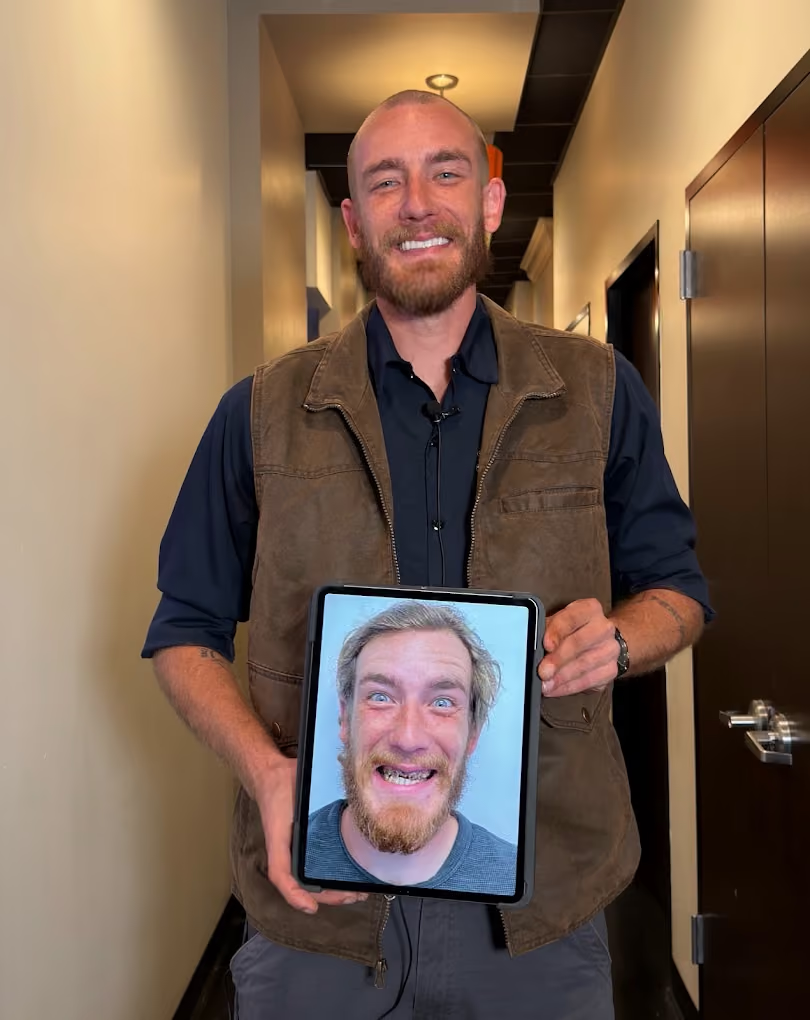
Ready to schedule your visit?
Experience comfortable, high-quality dental care at Dentiq Dentistry. We proudly serve patients in Houston and the surrounding communities, helping you smile with confidence every day.
At Dentiq Dentistry Houston, we provide a full spectrum of care under one roof, from routine cleanings and fillings to dental implants, All-On-X full-arch restoration, veneers, Invisalign, and same-day crowns. With advanced technology and an in-house lab, we keep treatment precise, comfortable, and refreshingly convenient.